
QUALITY CONTROL
The U.S. manufacturing and construction sectors demand exceptional precision, consistency, and compliance. As industries continue to invest in infrastructure, renewable energy, industrial equipment, commercial construction, and advanced manufacturing, quality control has become one of the most critical factors in selecting a fabrication partner.
At Siba Indus, quality control is not simply a final inspection—it is a comprehensive system integrated into every stage of the fabrication process. From engineering review and material verification to production monitoring and final delivery, our quality management procedures are designed to ensure every component meets customer specifications, industry standards, and performance expectations.
1. Engineering Review and Project Planning
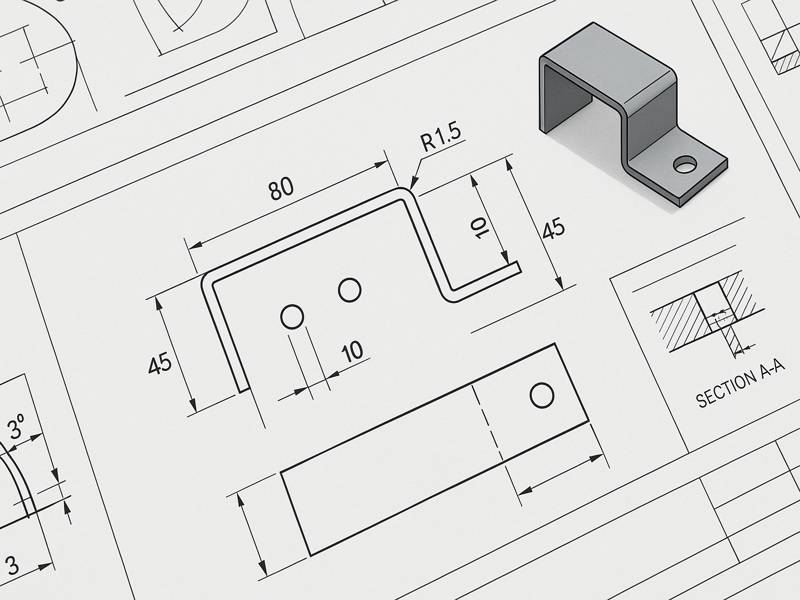
Every successful fabrication project begins with detailed planning. Before production starts, our engineering and project management teams carefully review all drawings, specifications, material requirements, tolerances, surface finish expectations, and functional requirements.
This stage allows us to identify potential manufacturing challenges early, optimize production methods, and establish clear quality benchmarks throughout the project lifecycle. Cost efficiency, manufacturability, and compliance with applicable U.S. industry standards are also evaluated to ensure the project proceeds smoothly from concept to completion.
By investing time in proper planning, Siba Indus helps customers reduce risk, avoid costly revisions, and maintain project schedules.
2. Raw Material Verification and Inspection
The quality of the final product begins with the quality of the raw materials. Every incoming material undergoes inspection and verification before entering production.
Our quality control team checks material specifications, dimensions, thickness, surface condition, and traceability documentation to ensure compliance with customer requirements. Materials are inspected for defects such as corrosion, cracks, deformation, or inconsistencies that could impact performance.
When required, additional testing and certification reviews are conducted to verify mechanical properties such as tensile strength, hardness, yield strength, and durability. This process ensures that only qualified materials are used throughout manufacturing.
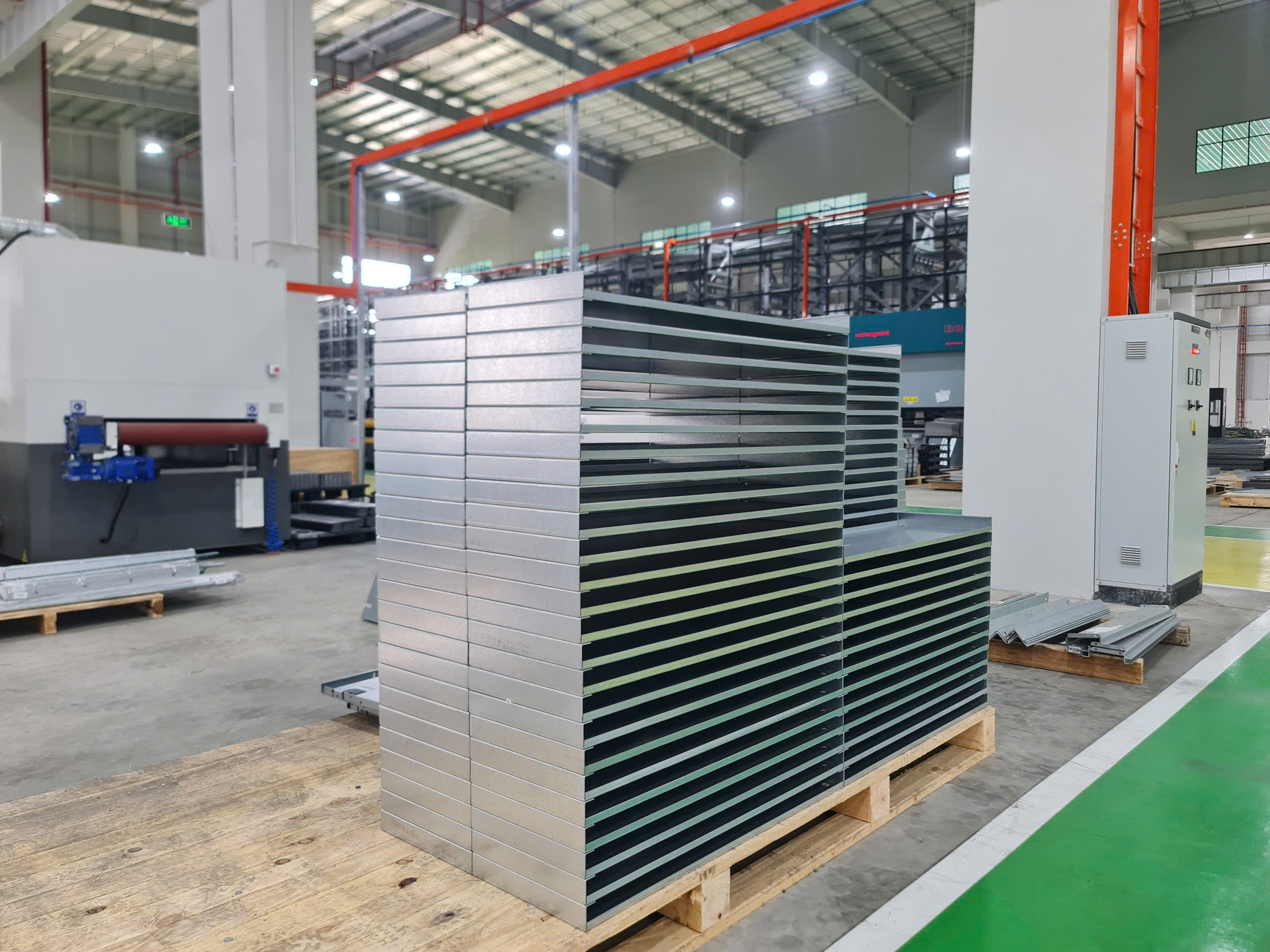
3. Process Control Throughout Fabrication

Once materials are approved, every fabrication process is executed according to clearly defined procedures and production standards.
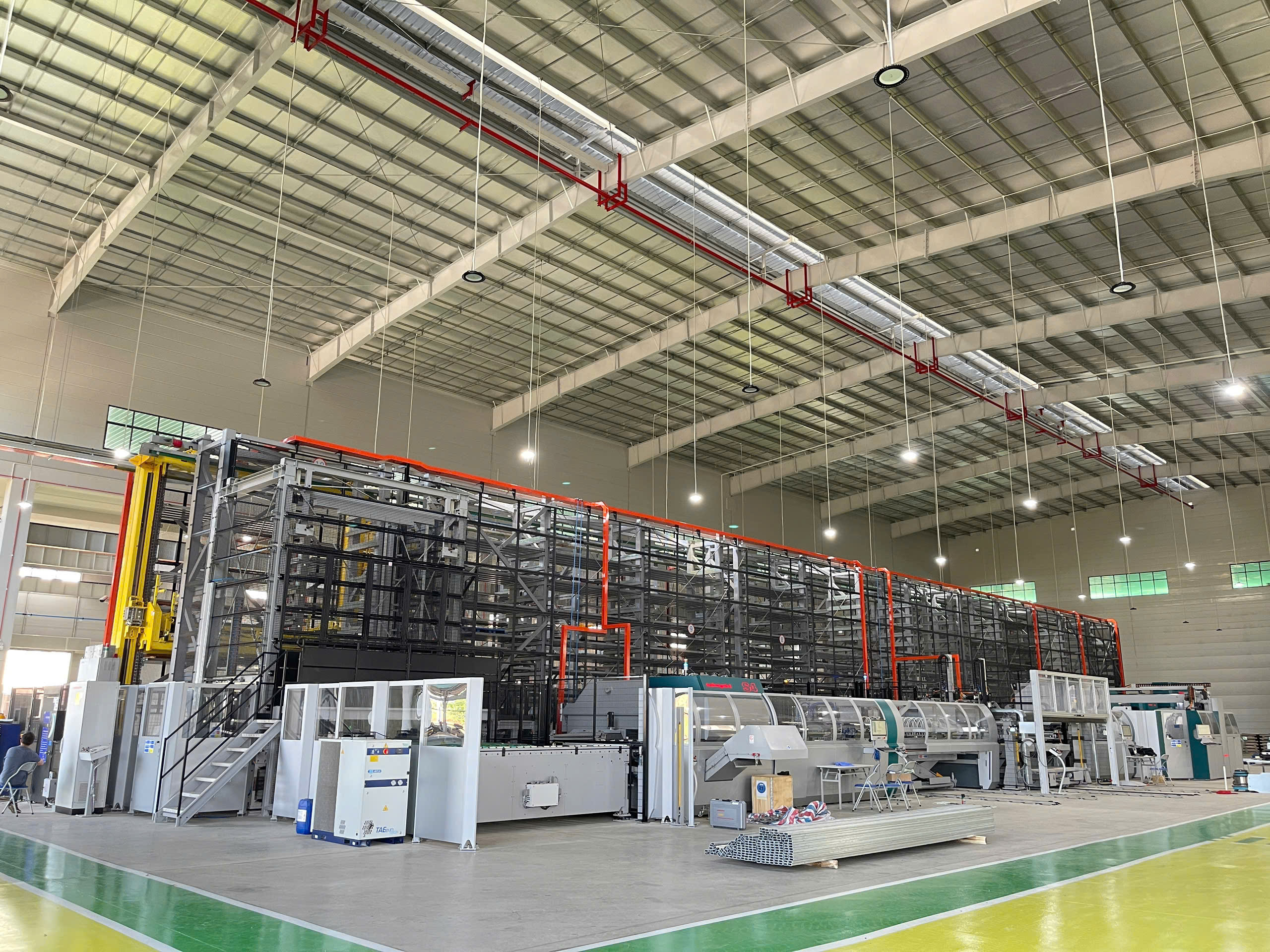
Whether the project involves laser cutting, CNC machining, welding, forming, sheet metal fabrication, structural steel fabrication, or assembly, each operation follows documented quality requirements. Critical dimensions and production parameters are monitored throughout manufacturing to maintain consistency and accuracy.
By implementing process controls at every stage, Siba Indus minimizes production variations and ensures repeatable quality across both prototype and high-volume production runs.
4. Welding Quality Assurance
Welding plays a vital role in the structural integrity and long-term performance of fabricated components.
Our certified welding professionals follow approved welding procedures and quality standards to ensure strong, reliable joints. Visual inspections are conducted throughout production to identify any potential defects, including incomplete fusion, distortion, porosity, or alignment issues.
For projects requiring additional verification, non-destructive testing (NDT) methods such as ultrasonic testing, magnetic particle inspection, or radiographic testing can be performed to validate weld quality and structural reliability.
This comprehensive approach helps ensure that welded assemblies meet demanding industrial and construction requirements.
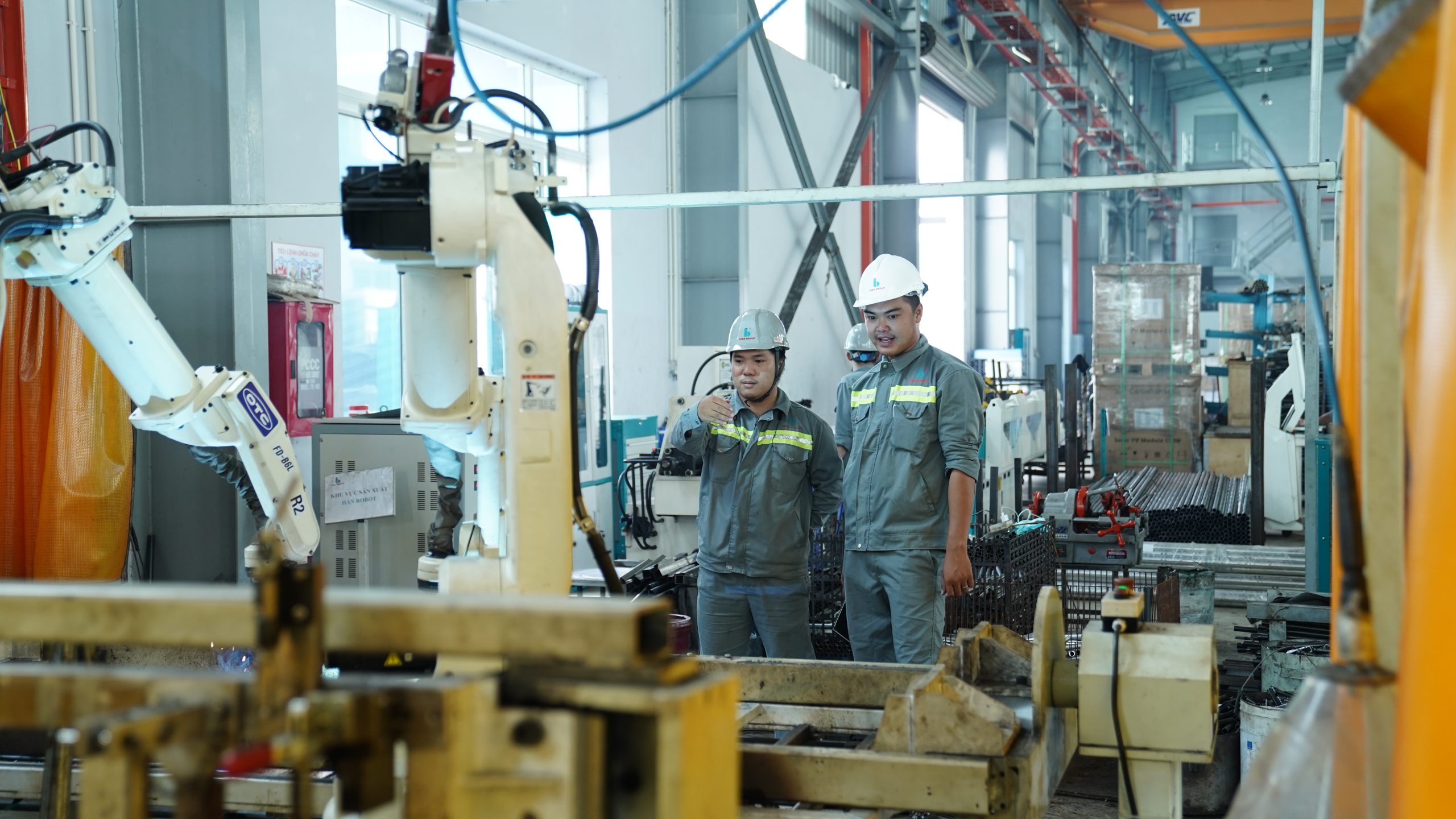
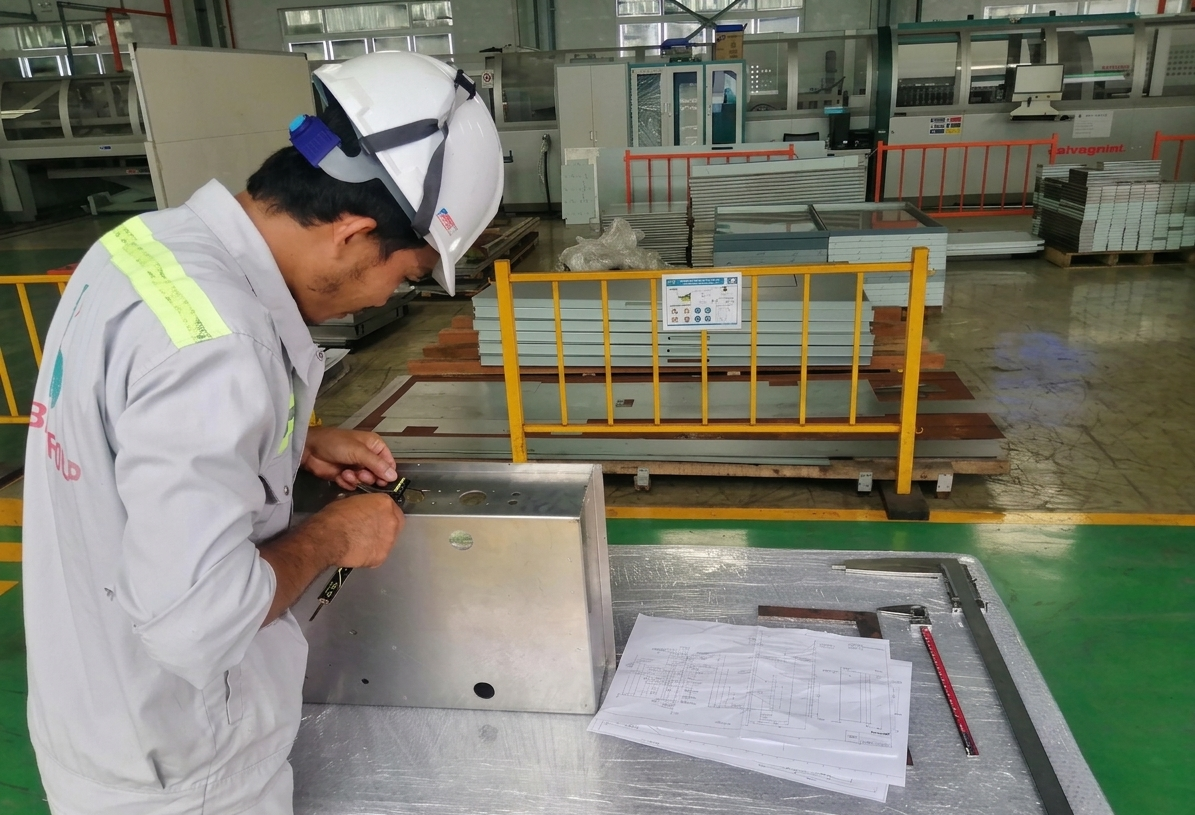
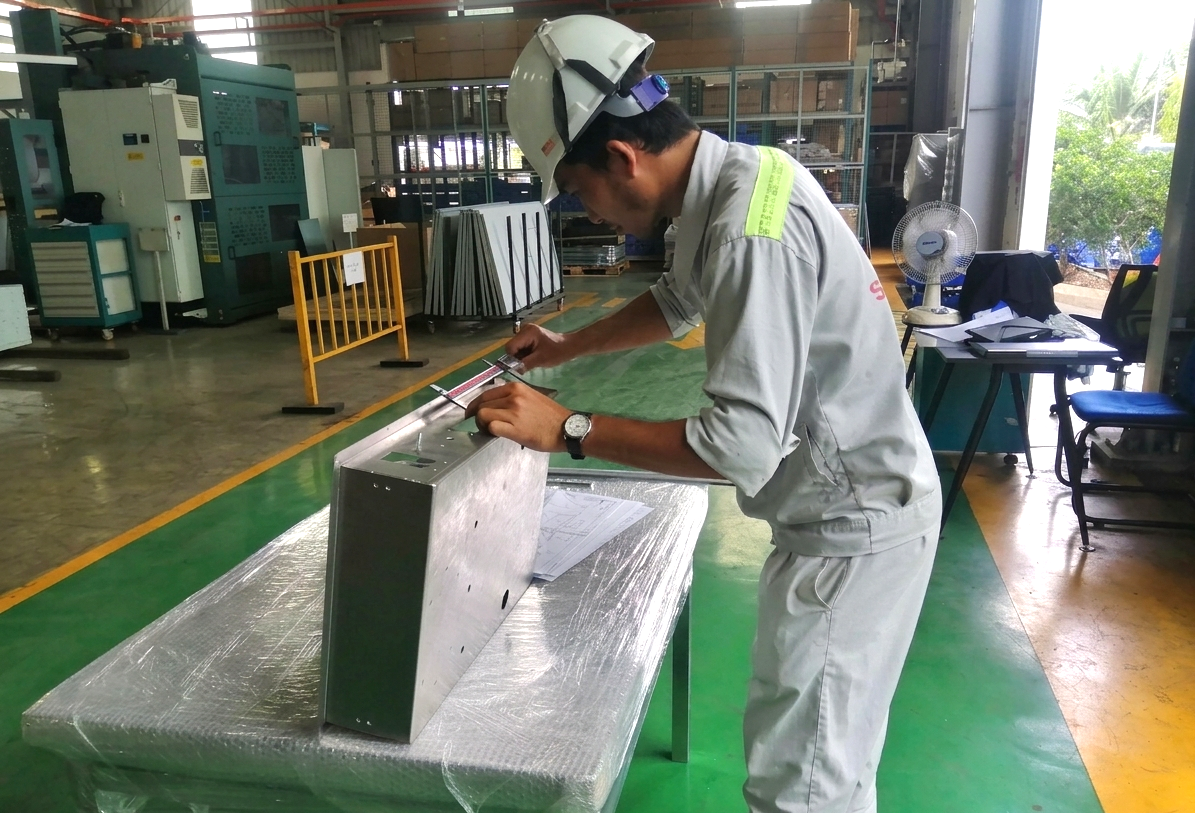
5. Dimensional and Performance Testing
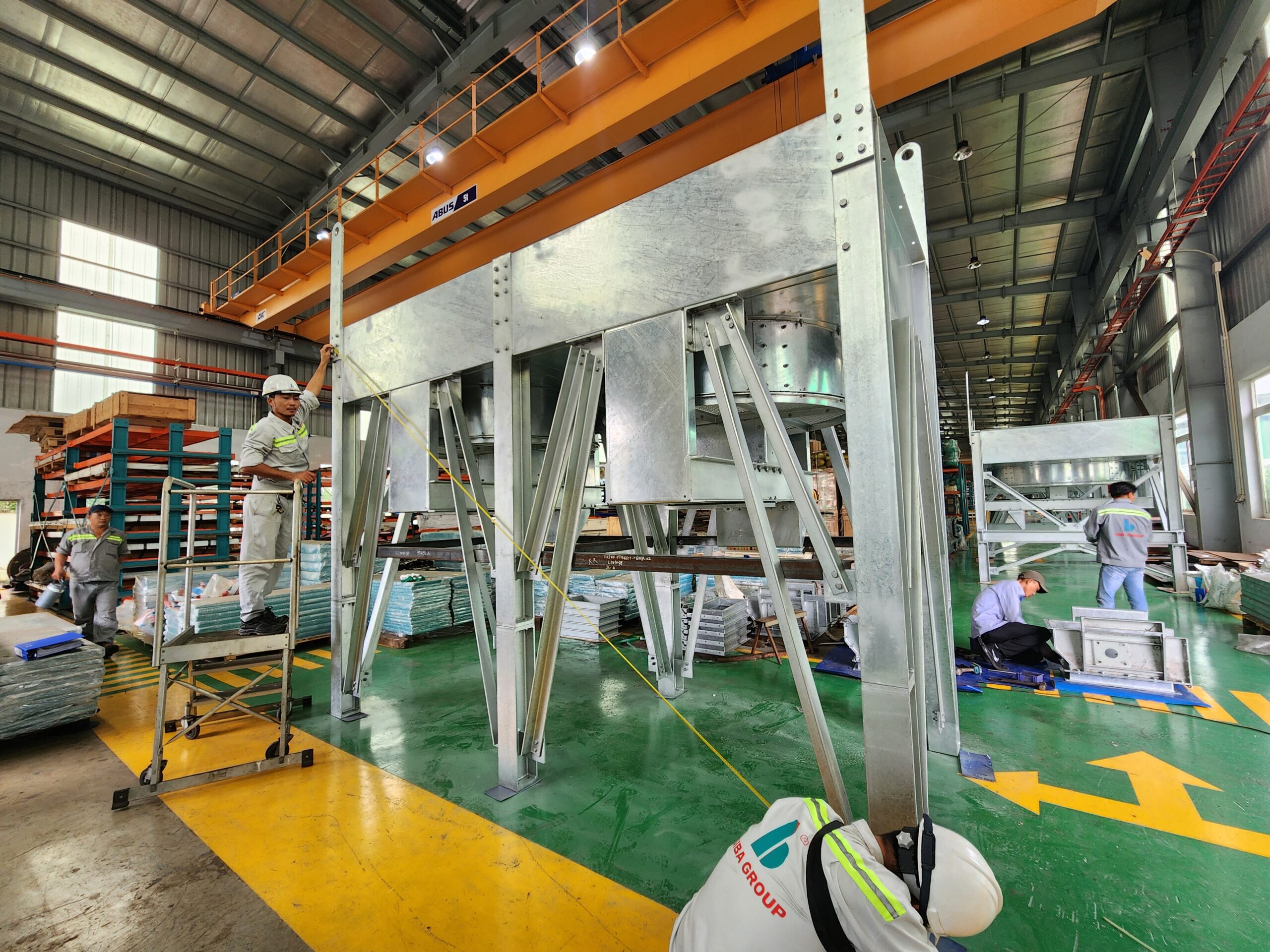
Before a component advances to the next stage of production, critical dimensions and performance criteria are carefully verified.
Using precision measuring equipment and inspection tools, our quality team confirms that fabricated parts meet specified tolerances and functional requirements. Depending on the application, testing may include dimensional verification, load testing, fit-up inspections, assembly validation, and performance evaluations.
These inspections help ensure that every component performs as intended in real-world operating conditions while reducing the risk of installation or operational issues.
6. Documentation and Traceability
Effective quality control requires complete transparency and accountability.
Siba Indus maintains detailed records throughout the fabrication process, including inspection reports, material certifications, production records, testing results, and any approved engineering changes. Documentation provides full traceability from raw material receipt through final delivery.
This systematic recordkeeping supports continuous improvement initiatives and gives customers confidence in the integrity of the manufacturing process.
7. Final Inspection, Packaging, and Delivery
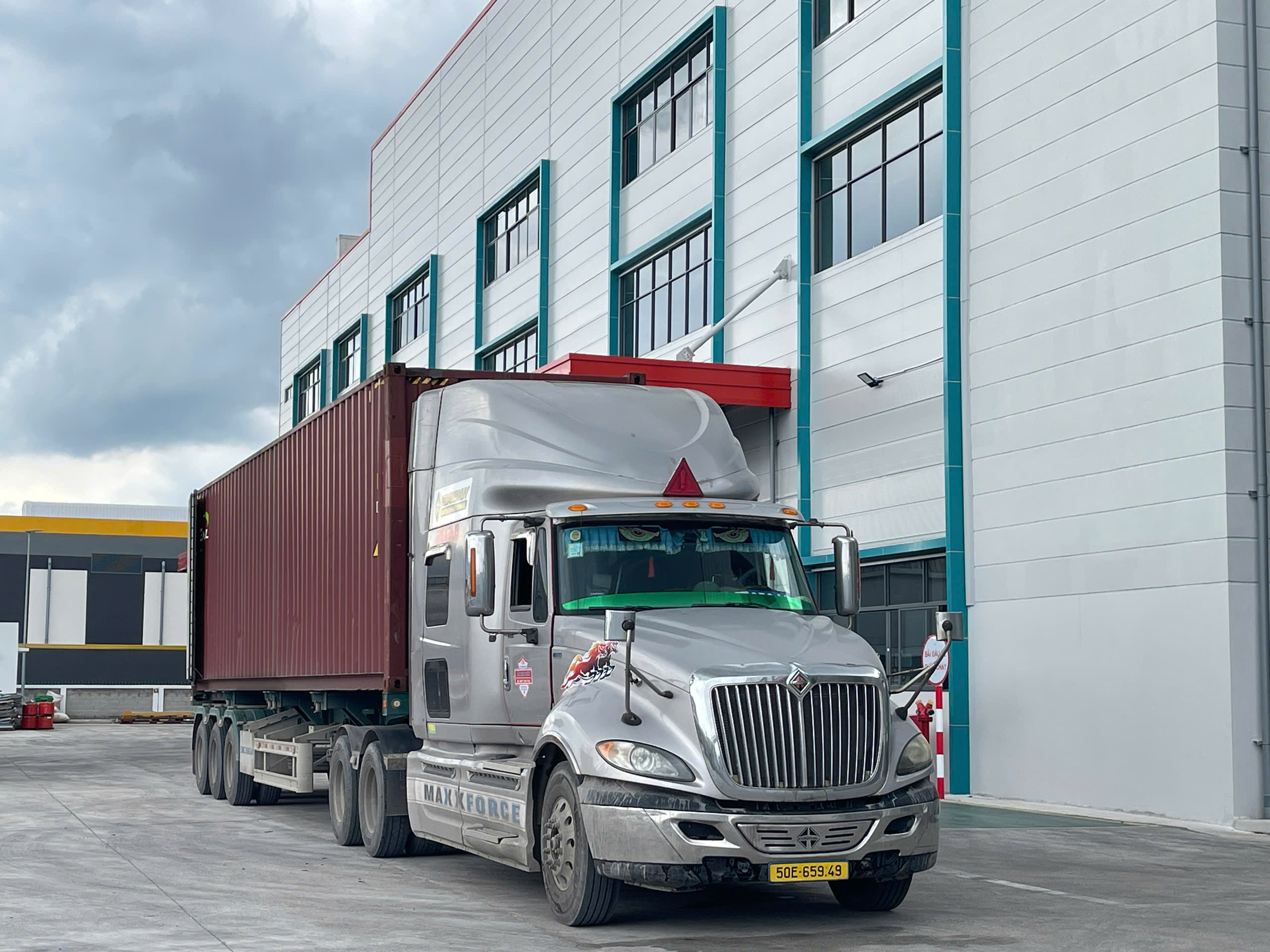
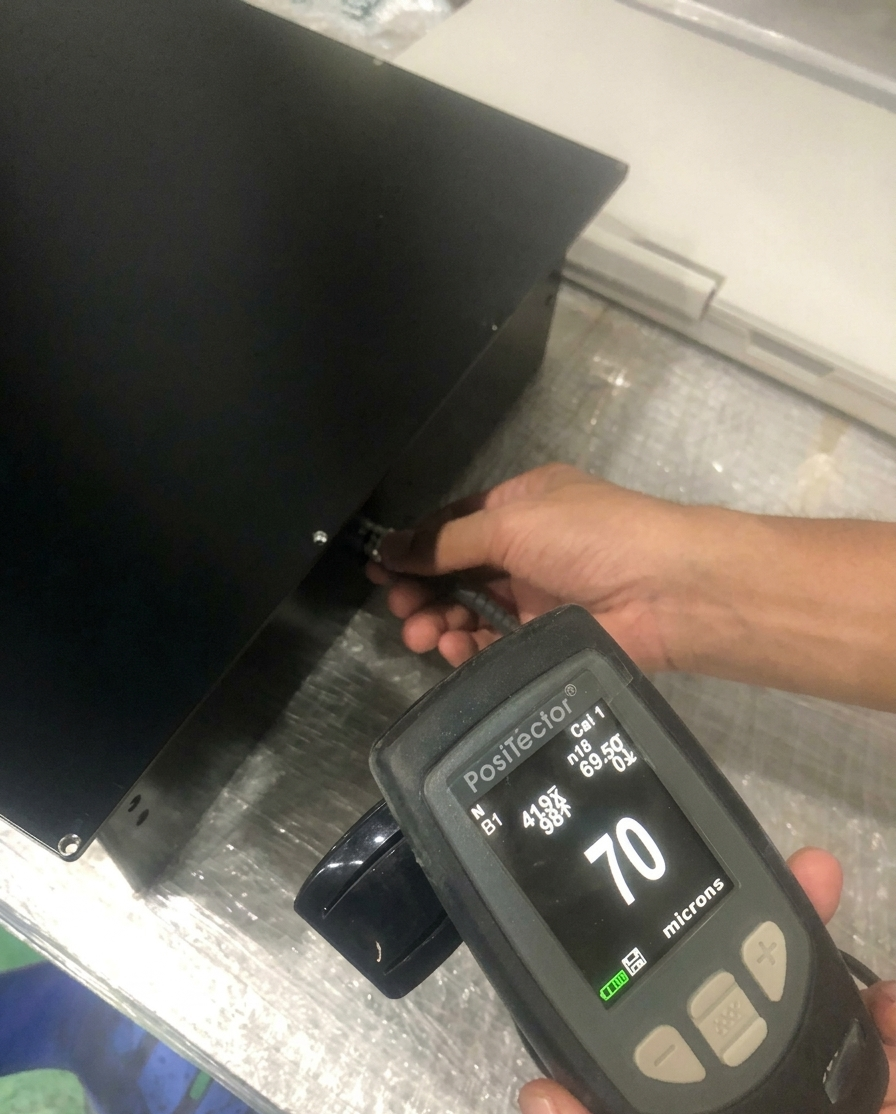
Before shipment, every project undergoes a comprehensive final inspection to verify compliance with all customer specifications and quality requirements.
Our team evaluates product condition, dimensions, finish quality, assembly accuracy, and packaging suitability. Special attention is given to transportation requirements, ensuring fabricated components are properly protected against movement, impact, moisture, and other shipping-related risks.
The objective is simple: every product should arrive at the customer’s facility in the same condition it left our manufacturing floor.
At Siba Indus, quality control is more than a process, it is a commitment to excellence. By integrating rigorous inspection procedures, skilled craftsmanship, advanced manufacturing technologies, and continuous improvement practices, we deliver metal fabrication solutions that meet the expectations of customers across the United States and global markets.
Certifications
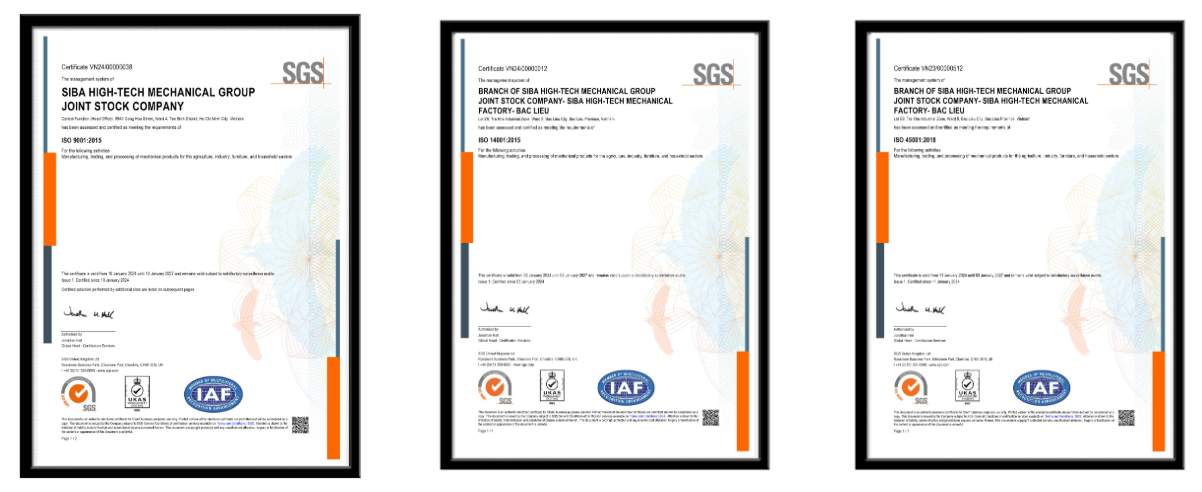
Siba Industry is dedicated to providing OEM customers with exceptional quality and responsive service, supported by rapid production capabilities. Our commitment to excellence is driven by a culture of continuous improvement and guided by a Total Quality Management (TQM) approach. This ensures that every product we deliver meets the highest standards of precision, consistency, and reliability.
- ISO 9001:2015 Standard on Quality Management
- ISO 14001:2015 Environmental Management
- ISO 45001:2018 on Occupational Health and Safety Management System