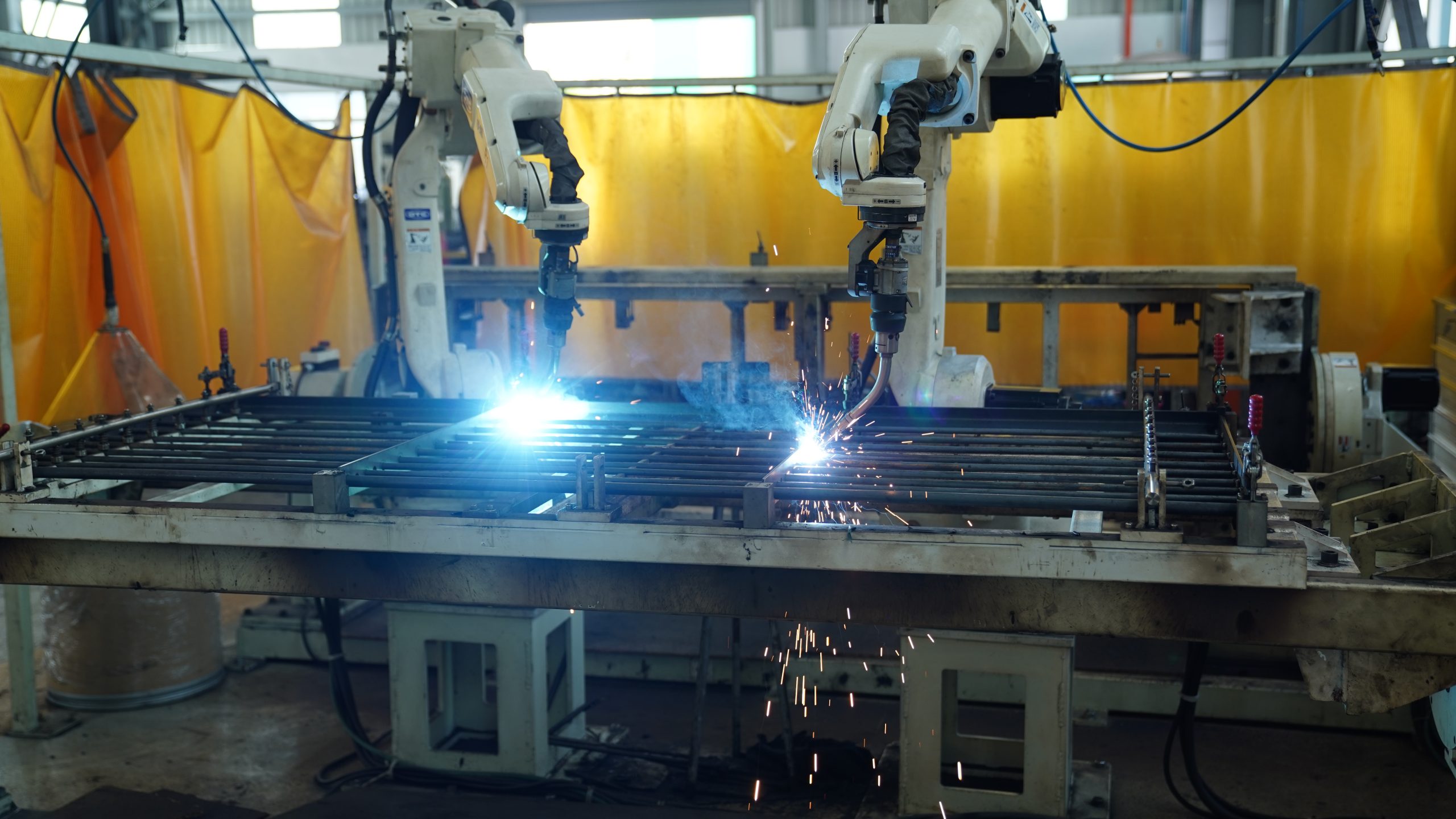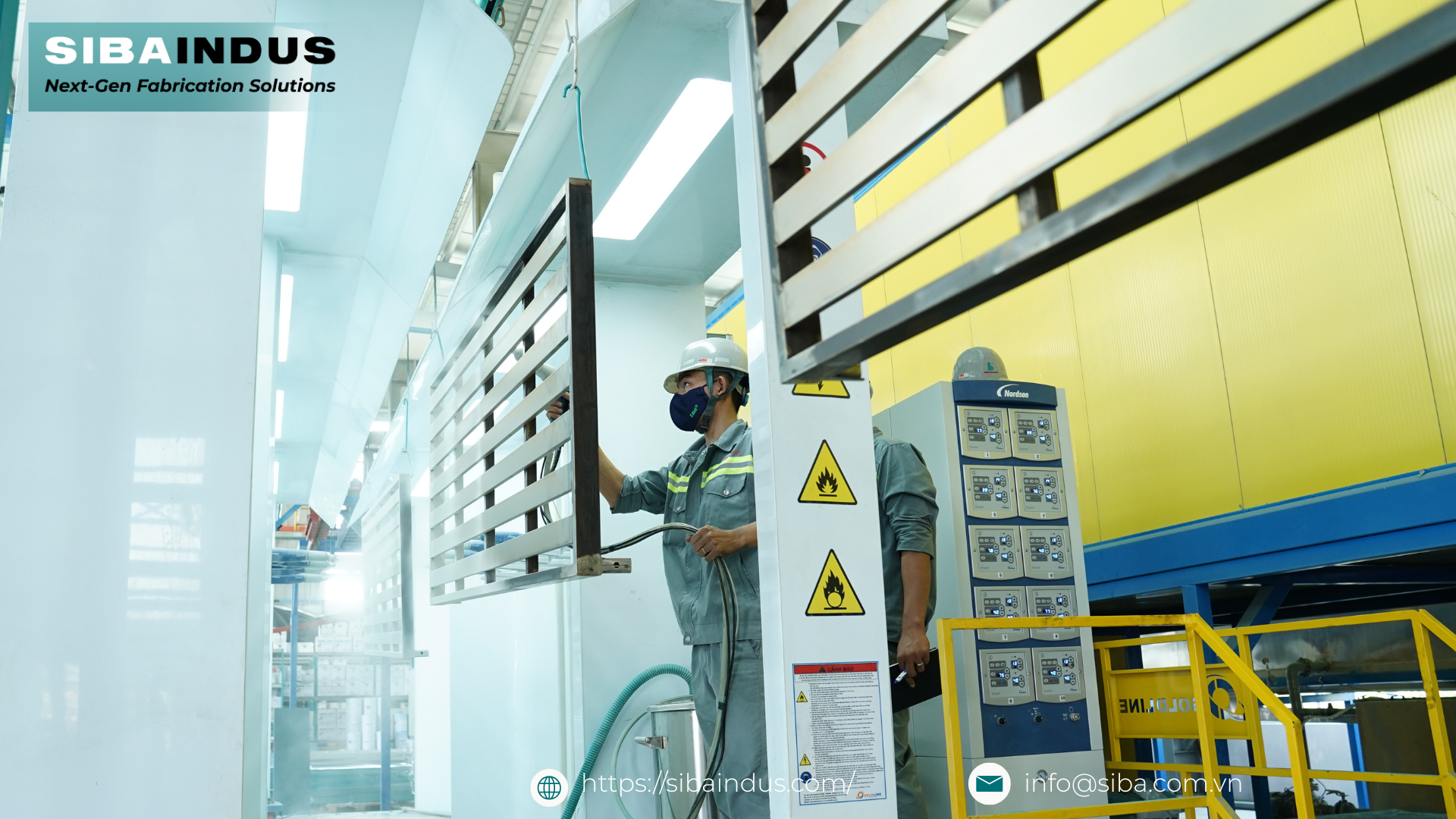



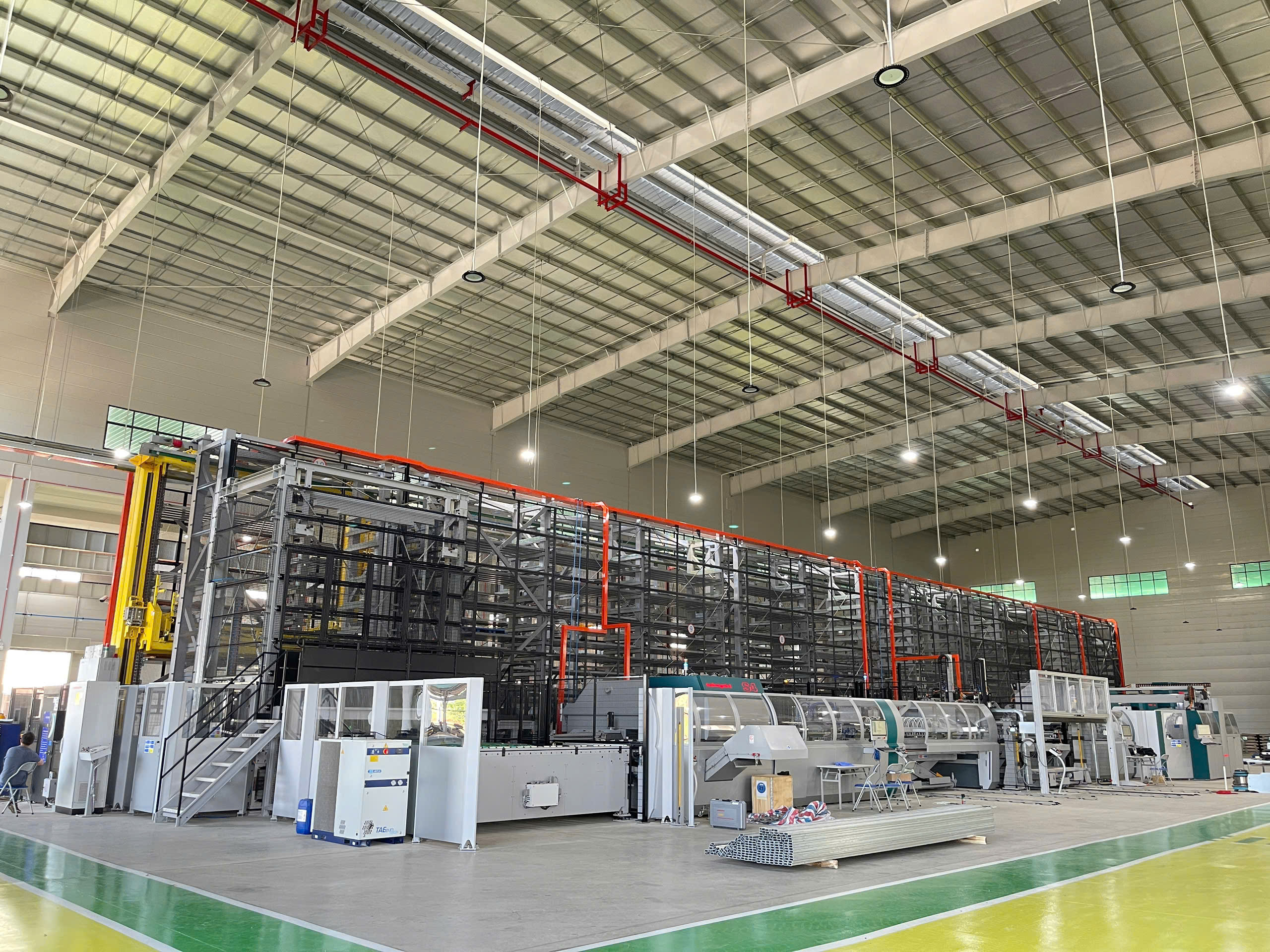
In today’s manufacturing landscape, automation is no longer just an option — it has become a critical factor for businesses aiming to enhance productivity, optimize quality, and maintain long-term competitiveness. In the field of mechanical processing, automation is reshaping production methods, creating smarter, faster, and more efficient manufacturing systems.
At Siba Indus, automation is considered one of the core strategic directions in building a modern industrial ecosystem that meets increasingly demanding market standards.
The Growing Role of Automation in Mechanical Processing
Traditional mechanical processing often depends heavily on manual operations, making production vulnerable to inconsistencies in quality, prolonged lead times, and rising labor costs. Automation helps address these challenges by integrating advanced technologies into the manufacturing process, including:
- CNC machining systems
- Automated production lines
- Robotic handling solutions
- Precision quality control systems
- Smart manufacturing monitoring software
By applying automation technologies, manufacturers can significantly improve operational efficiency while ensuring stable product quality across large production volumes.
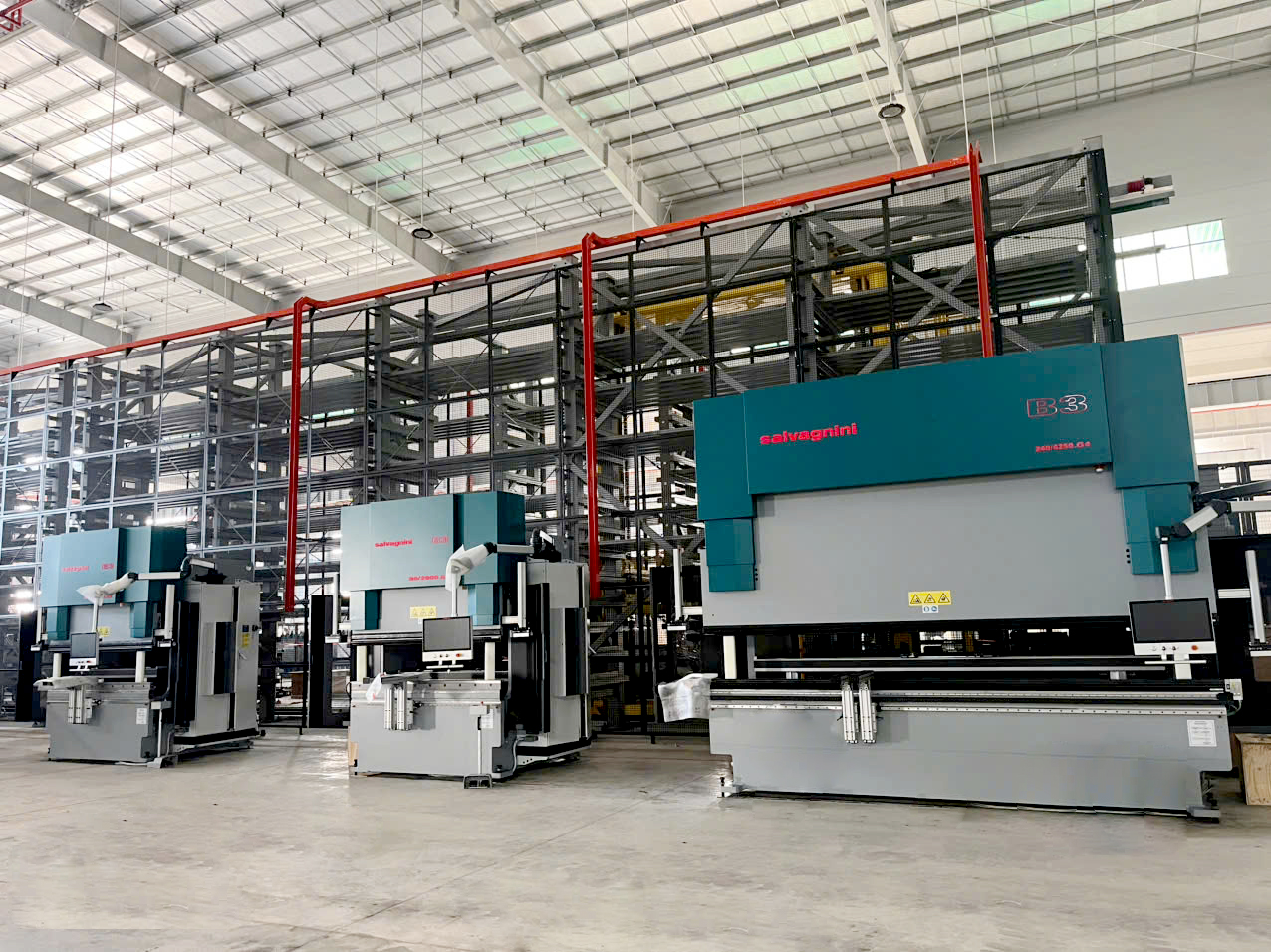

Benefits of Automation in Manufacturing
Increased Productivity
Automated systems can operate continuously with high precision, helping factories reduce downtime and accelerate production capacity.
Consistent Quality
Automation minimizes human error and ensures every product meets strict technical standards and customer specifications.
Cost Optimization
Although automation requires initial investment, it delivers long-term value by reducing material waste, labor dependency, and maintenance inefficiencies.
Enhanced Workplace Safety
Robotics and automated equipment can handle hazardous or repetitive tasks, creating a safer and more sustainable working environment for employees.
Automation Trends in Modern Industry
Global manufacturing is moving toward smart factories where machinery, software, and data systems are fully connected. Technologies such as AI-driven monitoring, IoT integration, and real-time production analytics are becoming increasingly important in mechanical processing.
For manufacturers, adopting automation is not simply about upgrading equipment — it is about transforming the entire production mindset toward flexibility, precision, and sustainable growth.
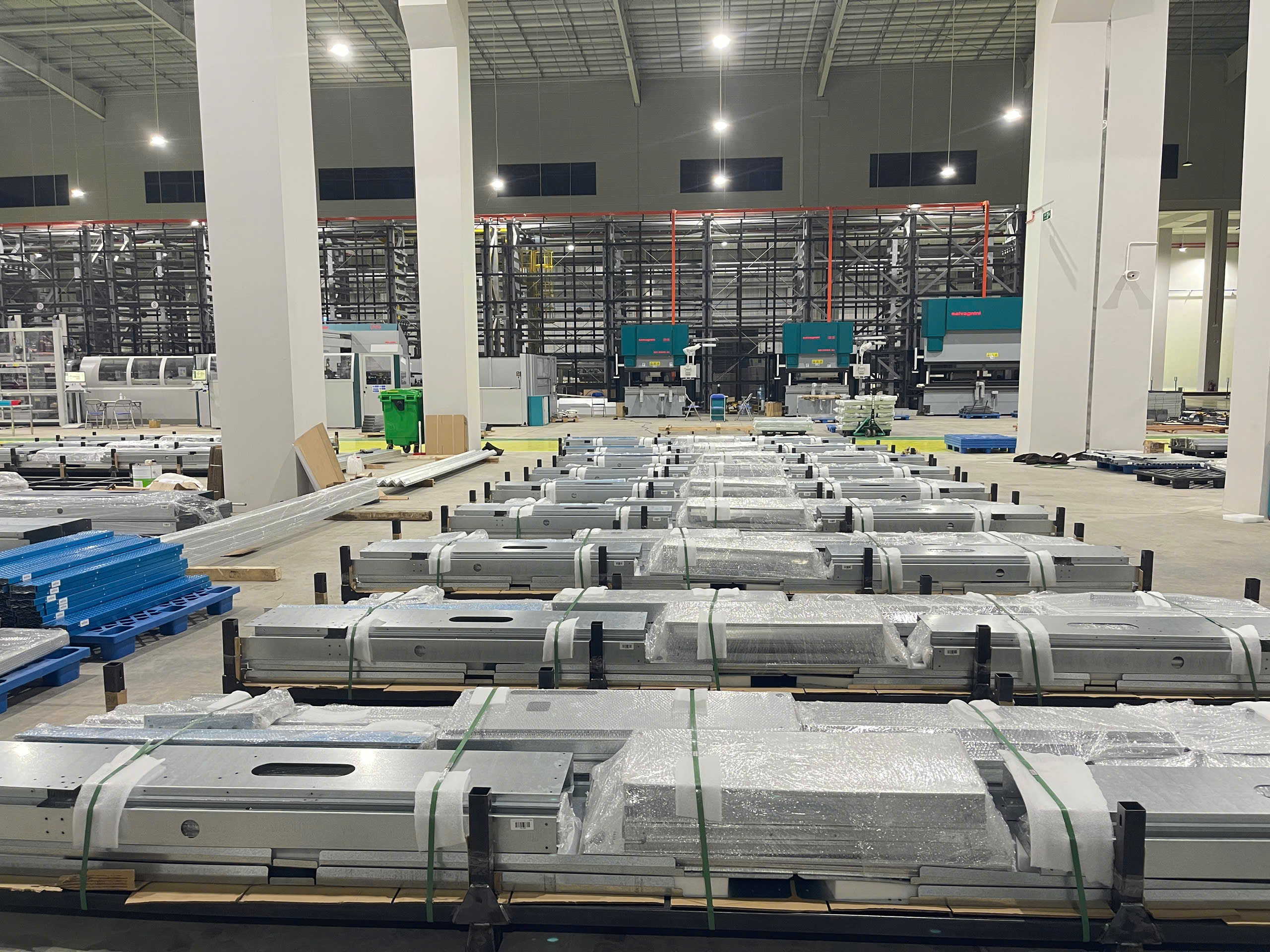
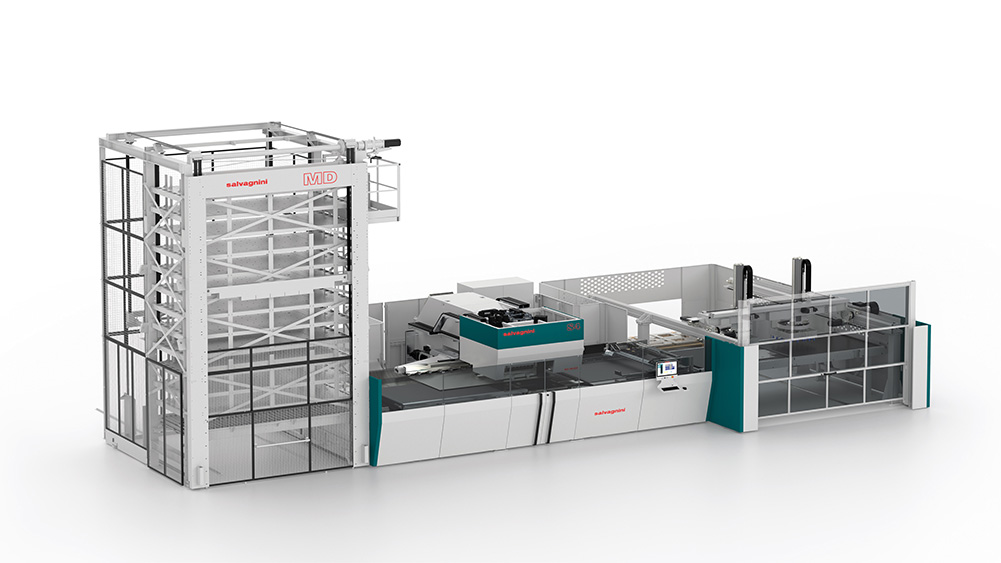
Siba Indus and the Journey Toward Smart Manufacturing
At Siba Indus, we continuously invest in advanced manufacturing technologies and automation solutions to enhance production capabilities and deliver high-quality industrial products to our partners and customers.
By combining engineering expertise, modern machinery, and a commitment to innovation, Siba Indus is steadily building a manufacturing environment that aligns with global industrial standards and the future of smart production.
Automation is not just the future of mechanical processing, it is the foundation for sustainable industrial development in the modern era.