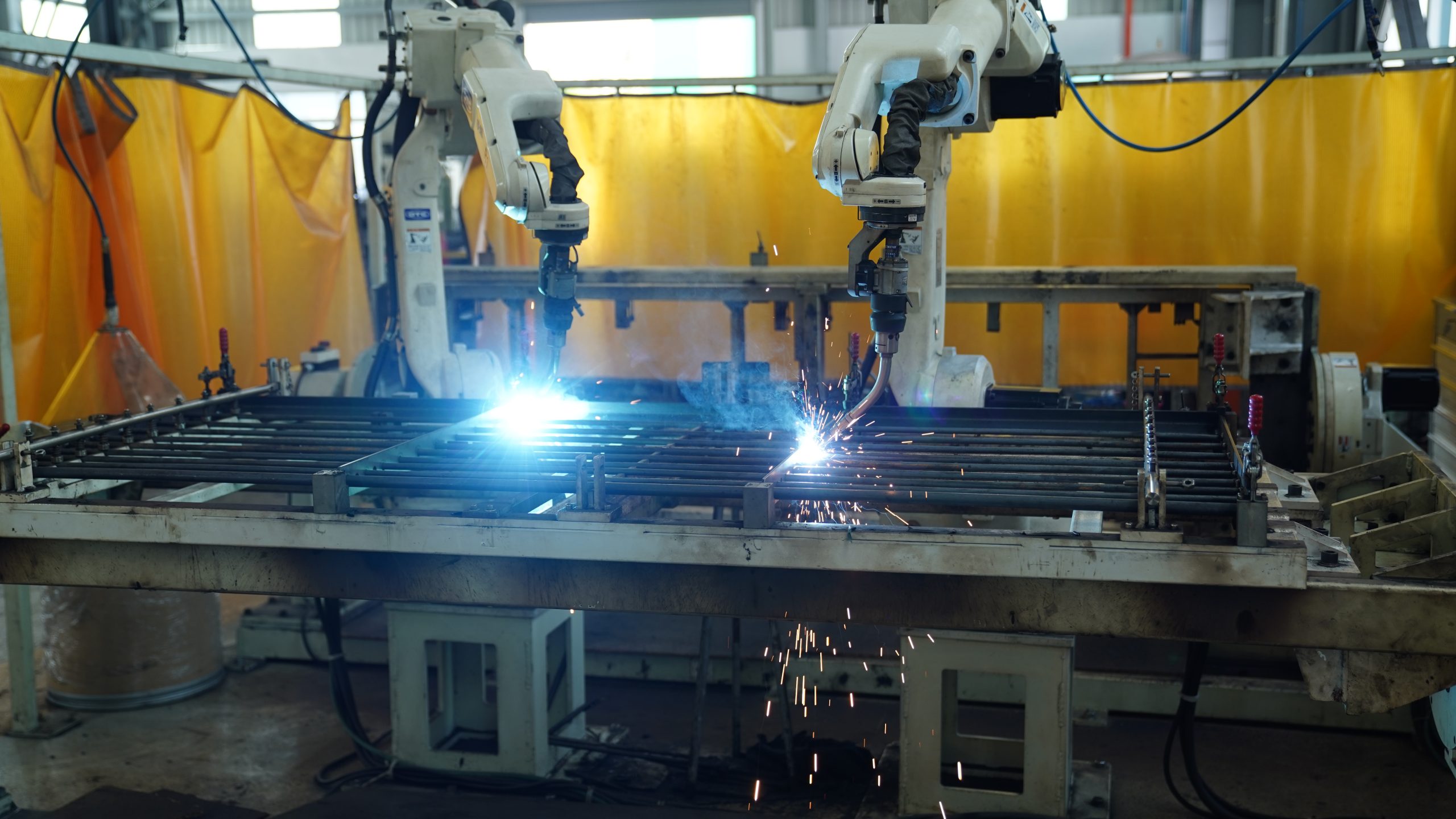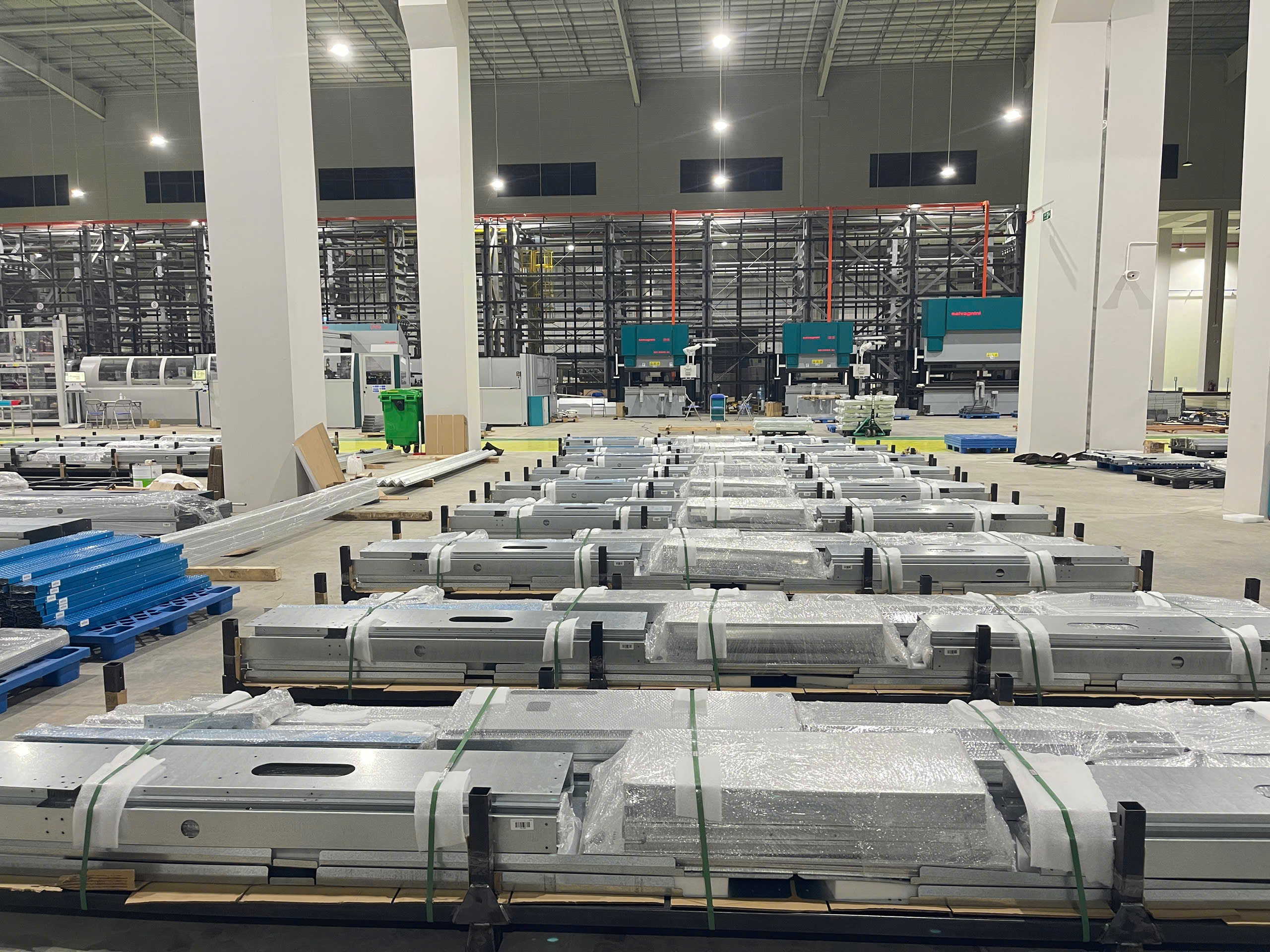

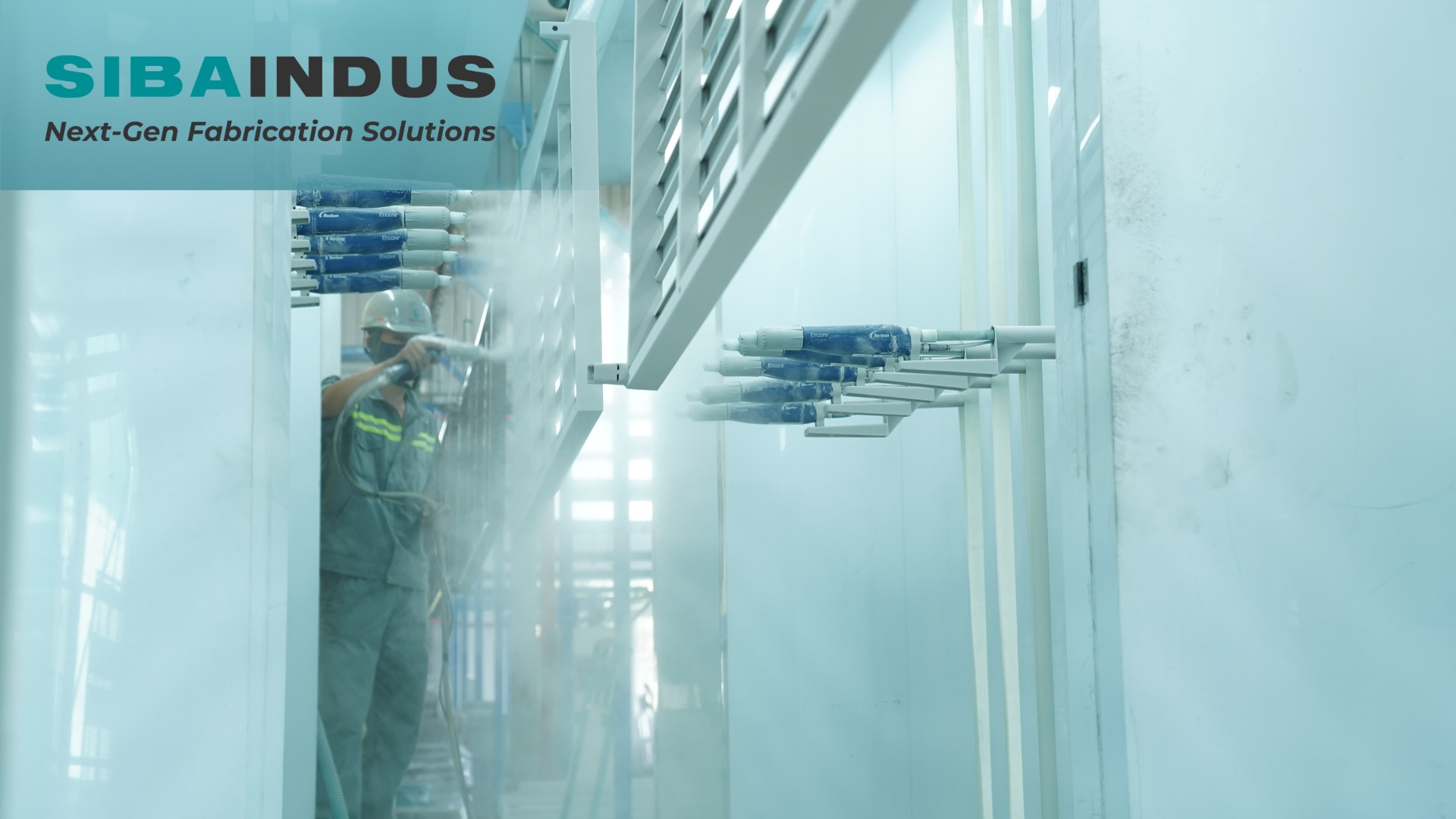
In modern manufacturing, sheet metal fabrication is no longer defined solely by cutting, bending, or welding precision. Surface finishing has become a critical stage that directly impacts product durability, corrosion resistance, appearance, and long-term operational performance.
At Siba Indus, we understand that a high-quality fabricated component is not complete until its surface is properly treated and finished according to the application requirements. From industrial machinery and automation systems to agricultural and livestock equipment, professional surface finishing helps ensure that every component performs reliably even in demanding environments.
Why Surface Finishing Matters in Sheet Metal Fabrication
Surface finishing is the final process applied to sheet metal components after fabrication. It serves both functional and aesthetic purposes, including:
- Improving corrosion resistance
- Increasing wear durability
- Enhancing product appearance
- Reducing surface imperfections
- Improving paint and coating adhesion
- Extending product lifespan
- Supporting hygiene standards in industrial applications
For industries operating in humid, chemical, or outdoor environments, selecting the right finishing method can significantly reduce maintenance costs and improve operational efficiency.
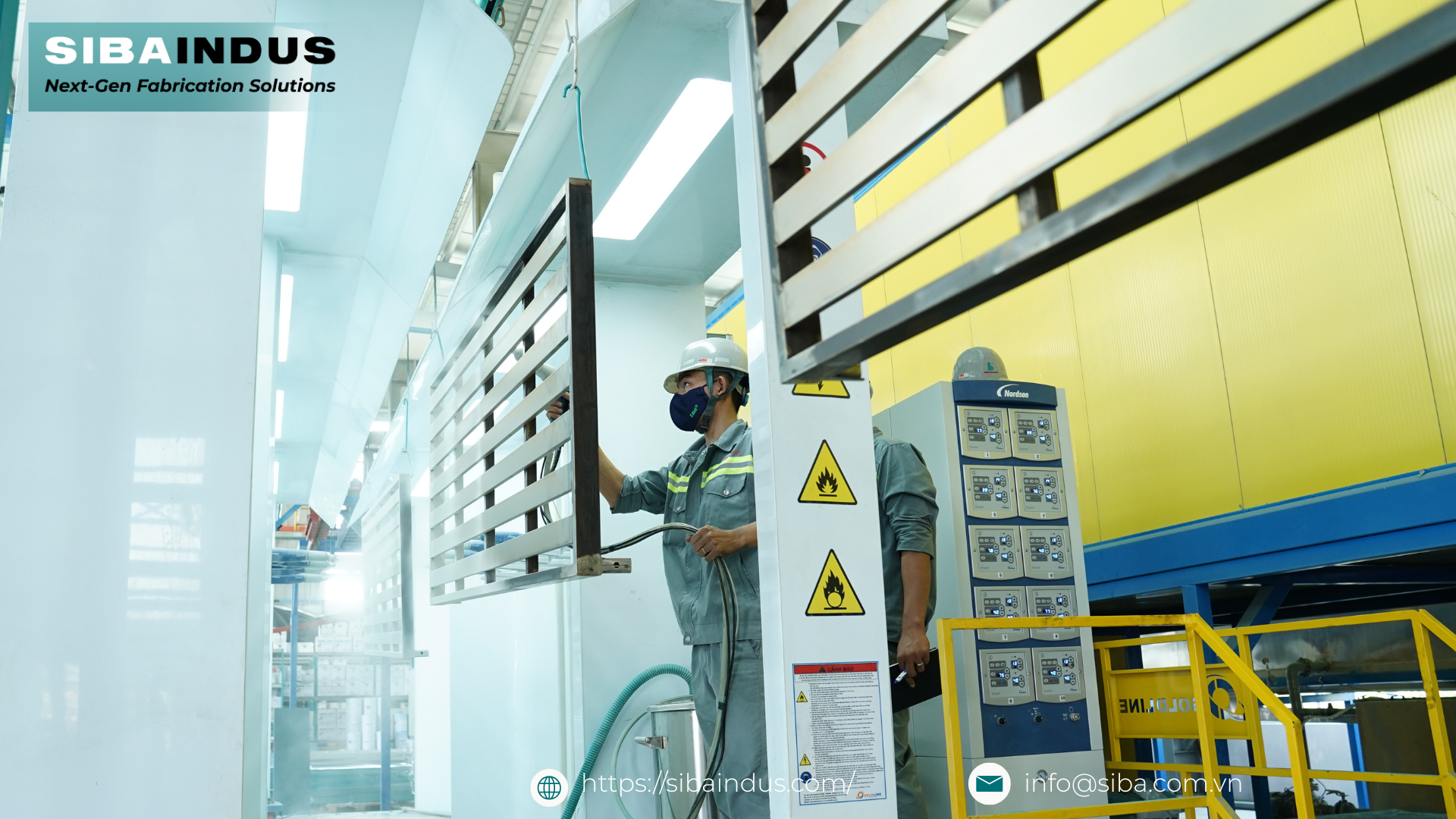
Common Surface Finishing Techniques for Sheet Metal Components
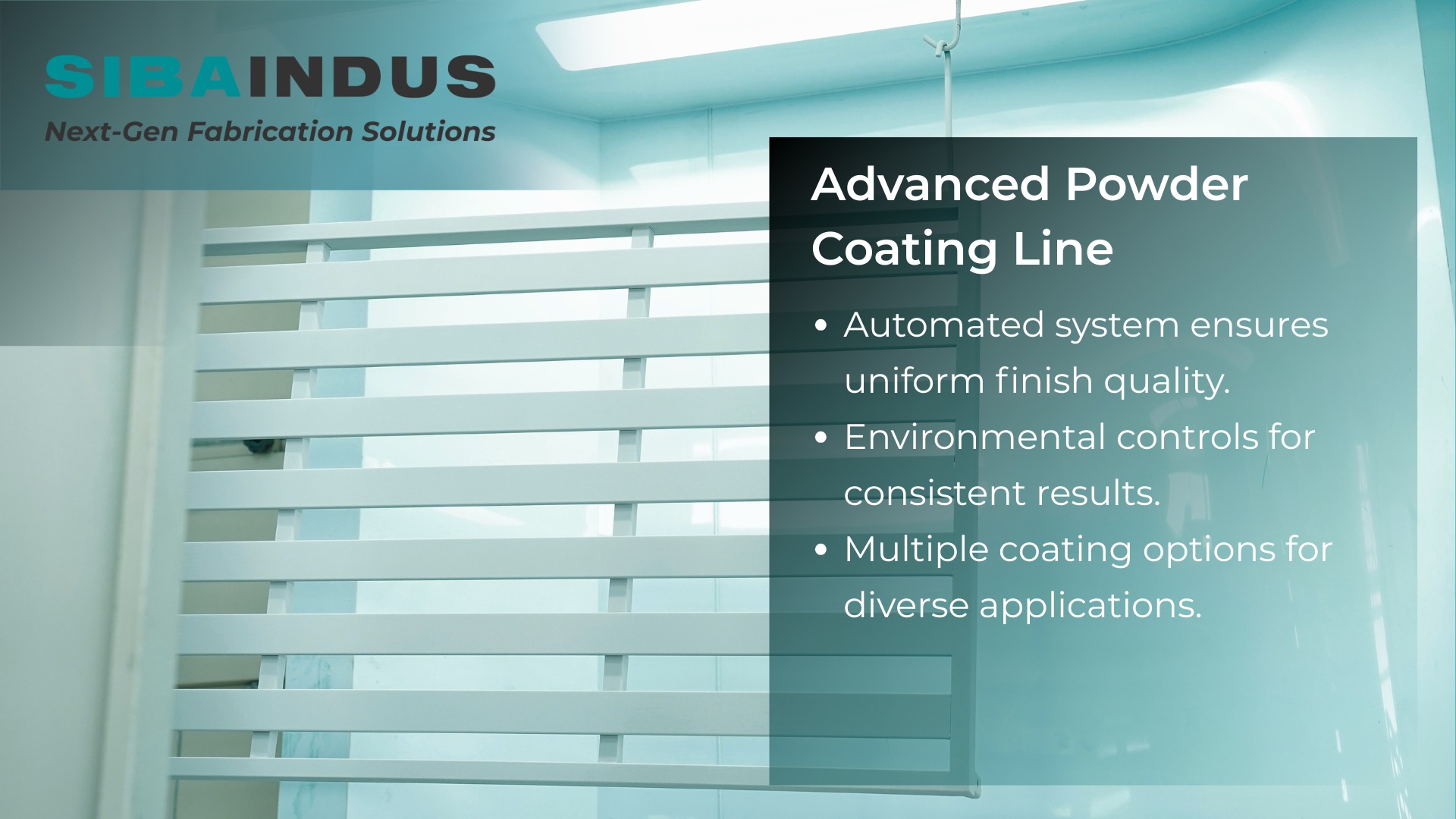
1. Powder Coating
Powder coating is one of the most widely used finishing methods in industrial sheet metal fabrication. The process involves electrostatically applying dry powder onto the metal surface before curing it under heat.
Key Benefits:
- Excellent corrosion protection
- Uniform and durable finish
- High resistance to scratches and chemicals
- Wide range of colors and textures
- Environmentally friendly compared to liquid paint
At Siba Indus, powder coating solutions are carefully selected to match the environmental and operational requirements of each project.
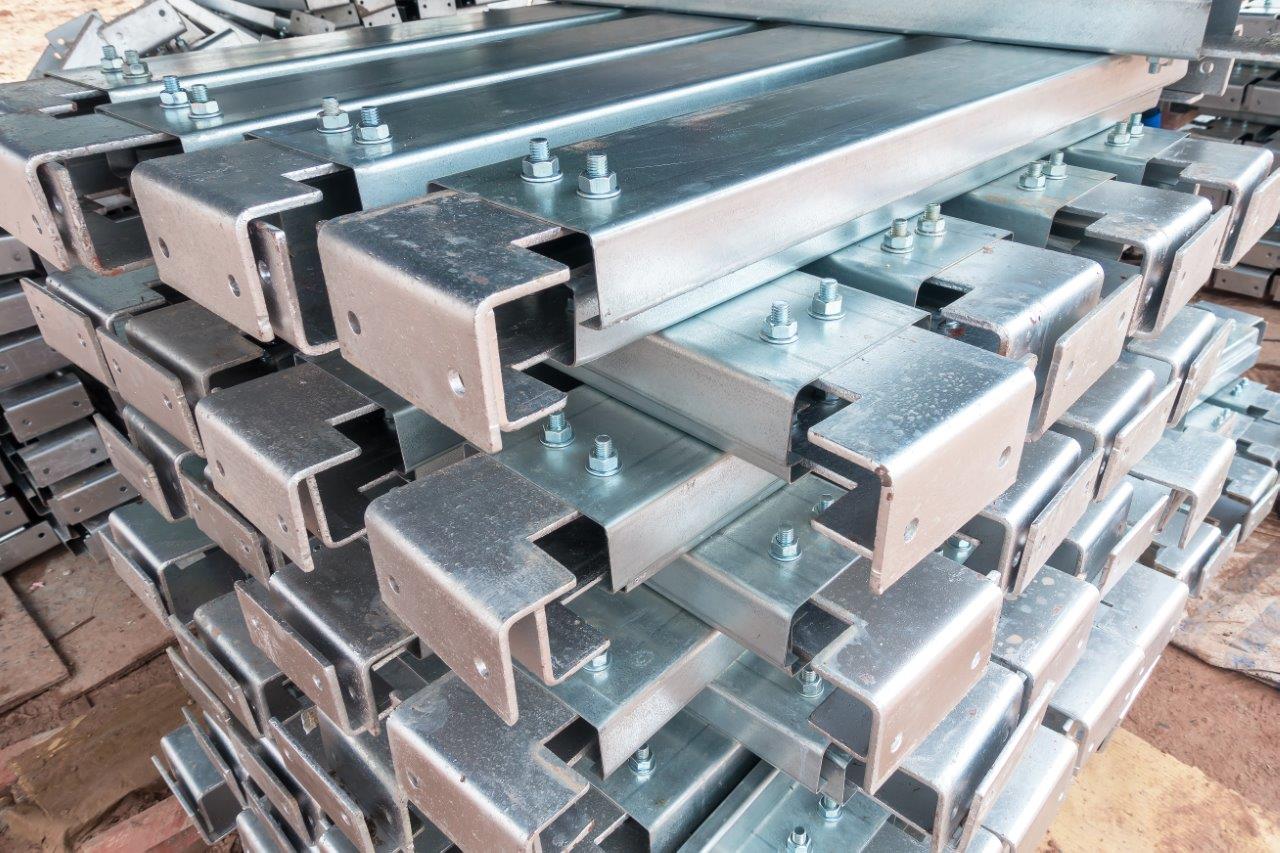
2. Galvanization
Galvanization involves coating steel surfaces with a protective layer of zinc to prevent rust and oxidation.
Popular Types:
- Hot-dip galvanizing
- Electro-galvanizing
Advantages:
- Long-term corrosion resistance
- Ideal for outdoor applications
- Cost-effective protection for structural steel
Galvanized sheet metal components are commonly found in:
- Steel structures
- Ventilation systems
- Livestock farm equipment
- Industrial platforms
3. Anodizing
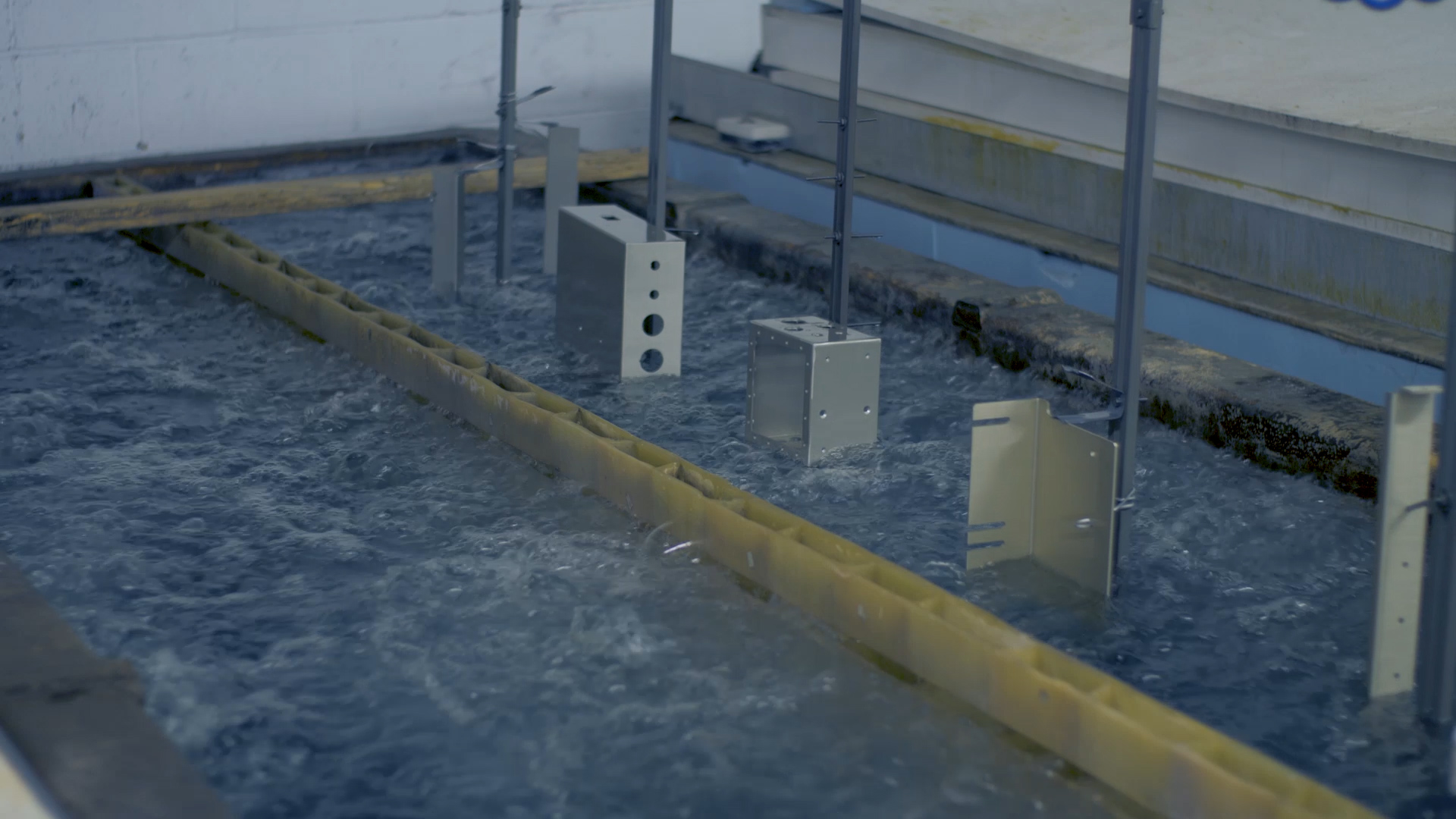
Anodizing is primarily applied to aluminum components to increase surface hardness and corrosion resistance while maintaining a clean and modern appearance.
Key Advantages:
- Improved wear resistance
- Enhanced visual aesthetics
- Better resistance to oxidation
- Lightweight yet durable solution
This finishing method is especially suitable for:
- Aluminum enclosures
- Precision industrial components
- Decorative metal parts
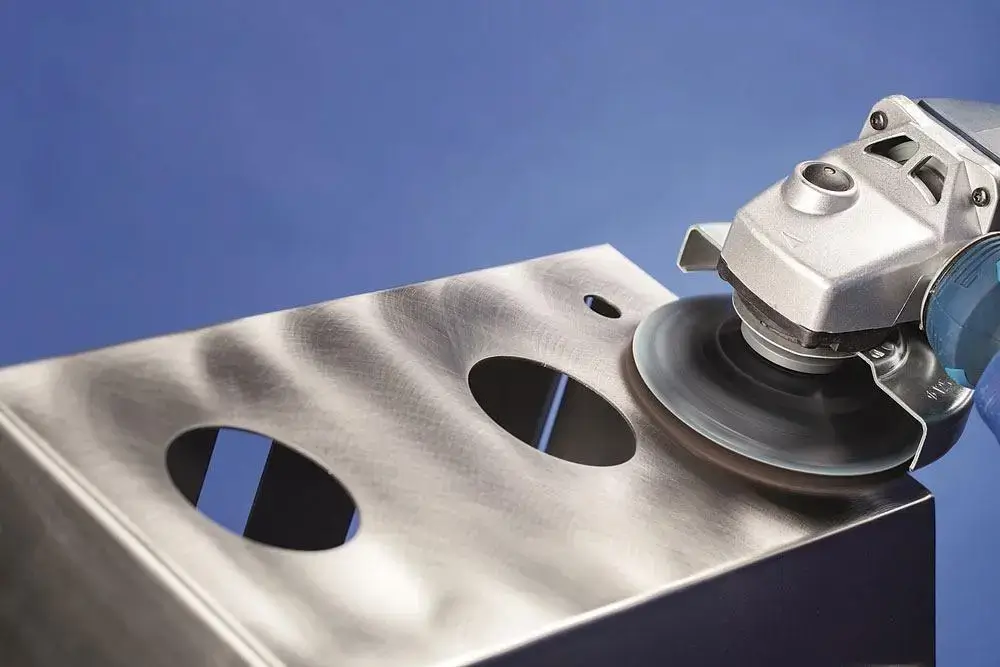
4. Brushing and Polishing
Mechanical finishing methods such as brushing and polishing are used to create smooth, refined surfaces for both aesthetic and functional purposes.
Benefits:
- Removes minor surface defects
- Creates uniform texture
- Enhances visual quality
- Improves cleanability for hygienic environments
Polished stainless steel surfaces are commonly used in:
- Food processing equipment
- Pharmaceutical systems
- Commercial kitchen applications
5. Sandblasting
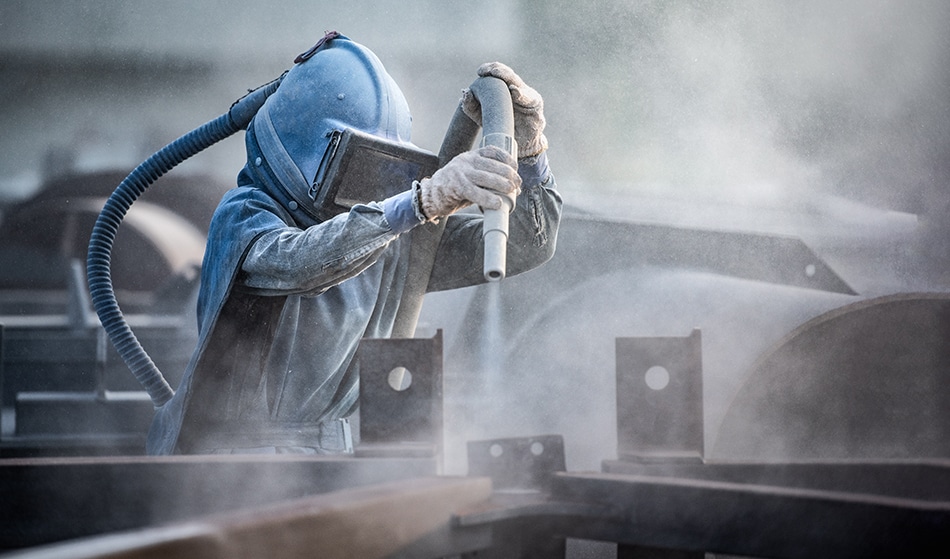
Sandblasting uses abrasive materials to clean and texture metal surfaces before coating or painting.
Main Functions:
- Surface cleaning
- Rust and oxidation removal
- Improved coating adhesion
- Surface preparation for painting
This process is essential for achieving long-lasting coating performance in industrial fabrication projects.
Siba Indus – Precision Fabrication with Professional Surface Finishing
With extensive experience in sheet metal fabrication and industrial engineering solutions, Siba Indus delivers high-quality fabricated components designed for durability, functionality, and long-term performance.
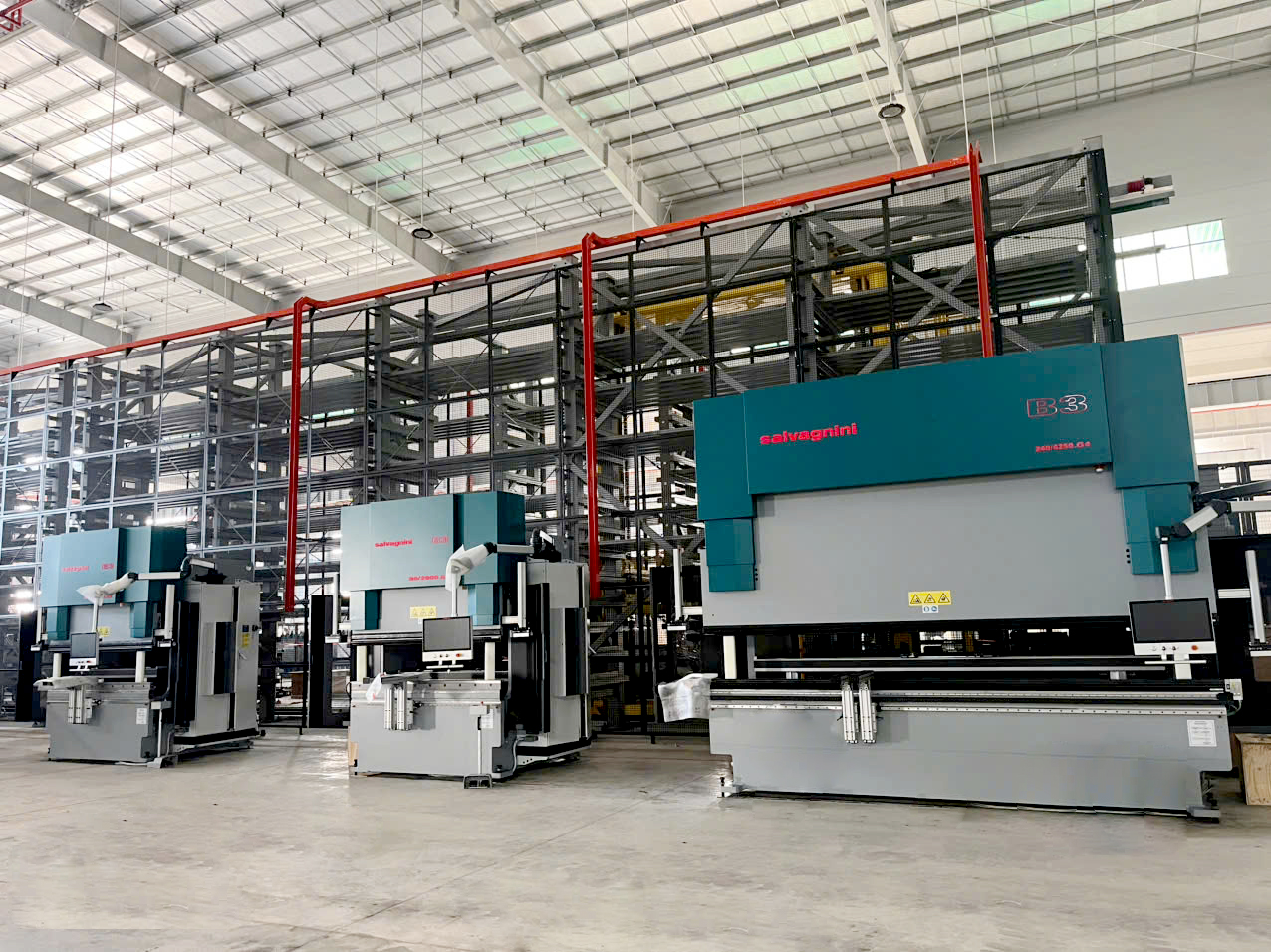
From precision cutting and CNC bending to welding and surface finishing, every production stage is carefully managed to meet strict quality standards and customer expectations.
We continuously invest in modern manufacturing technologies and process optimization to support a wide range of industrial applications across Vietnam and international markets.