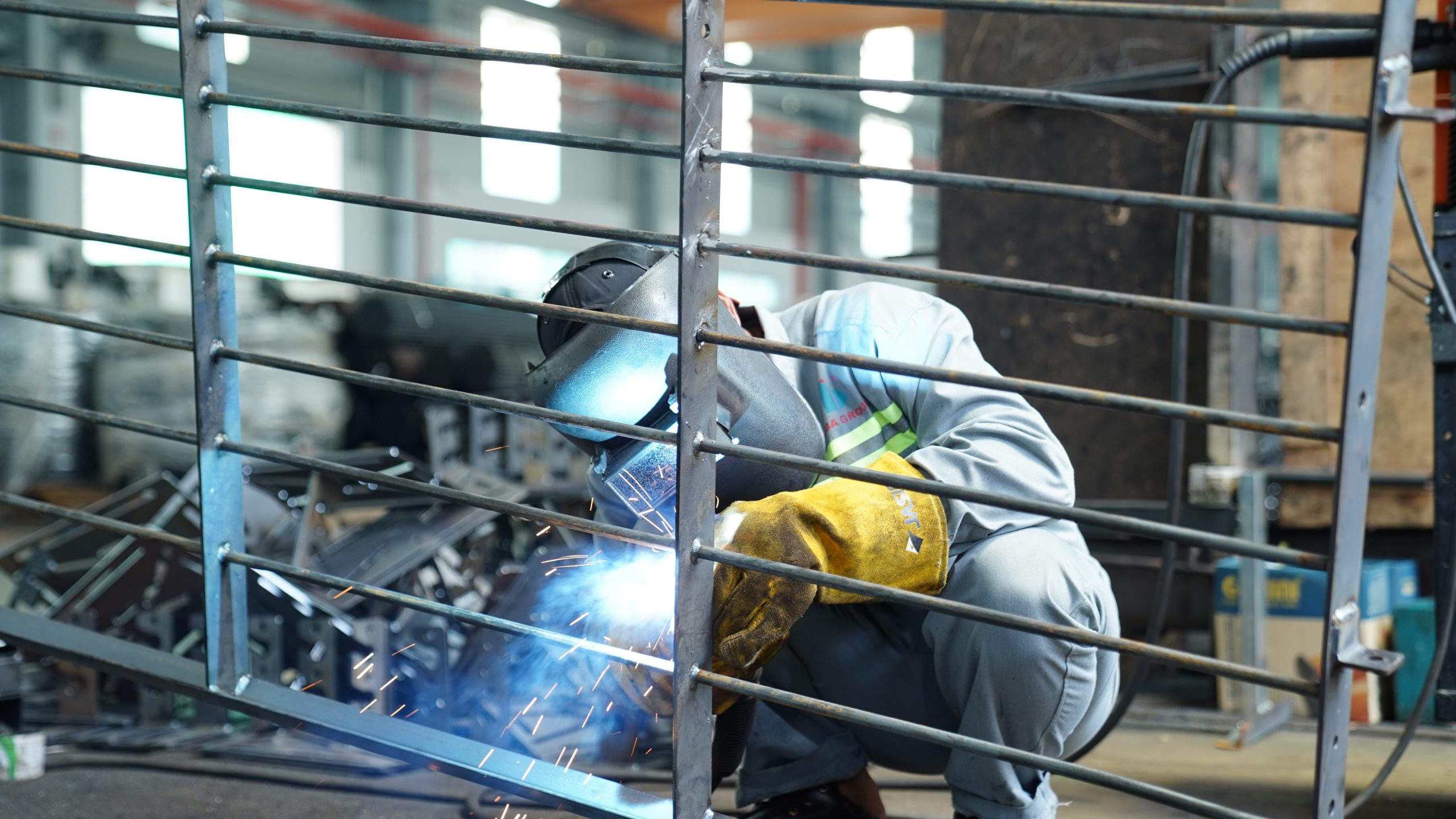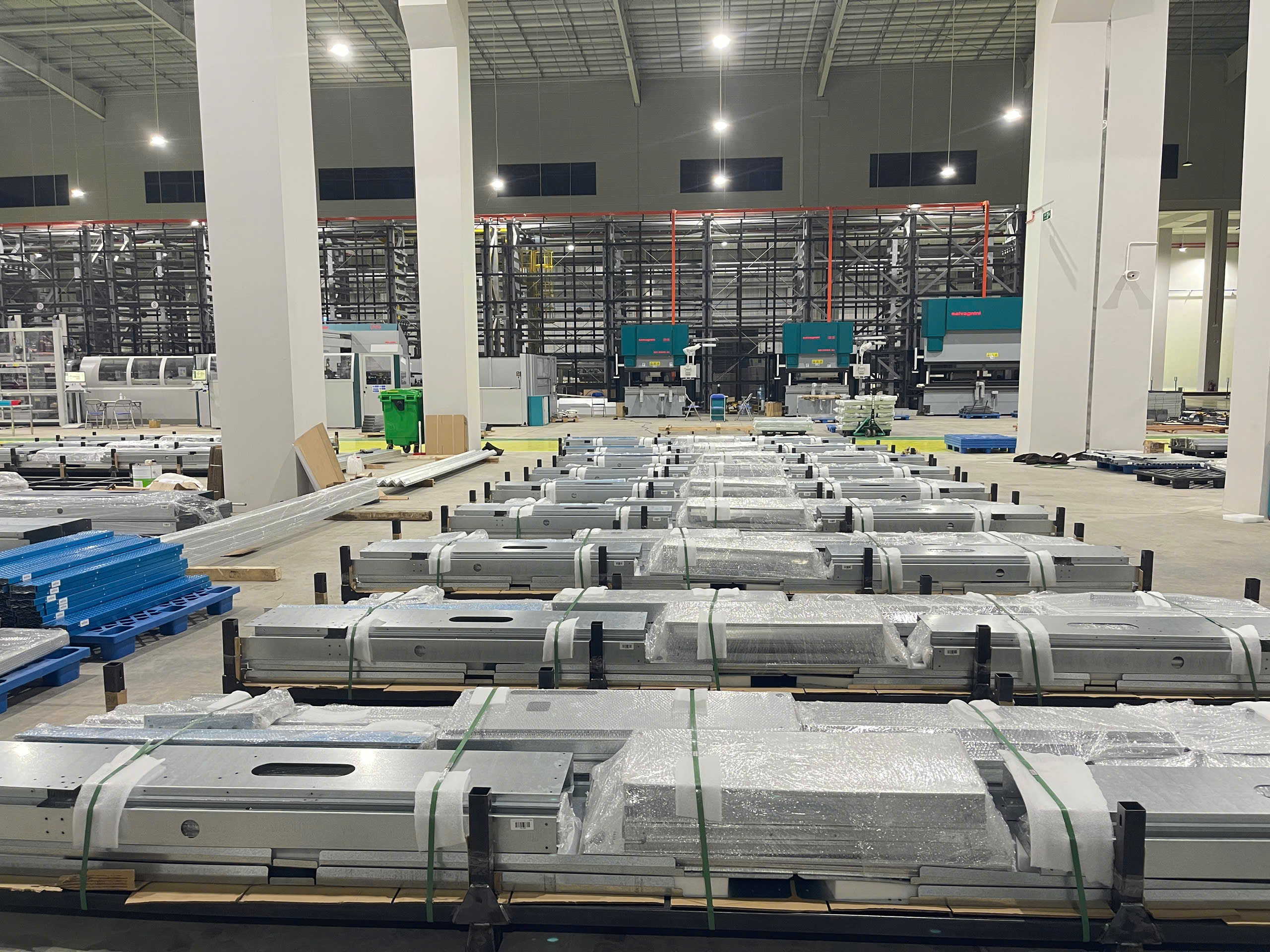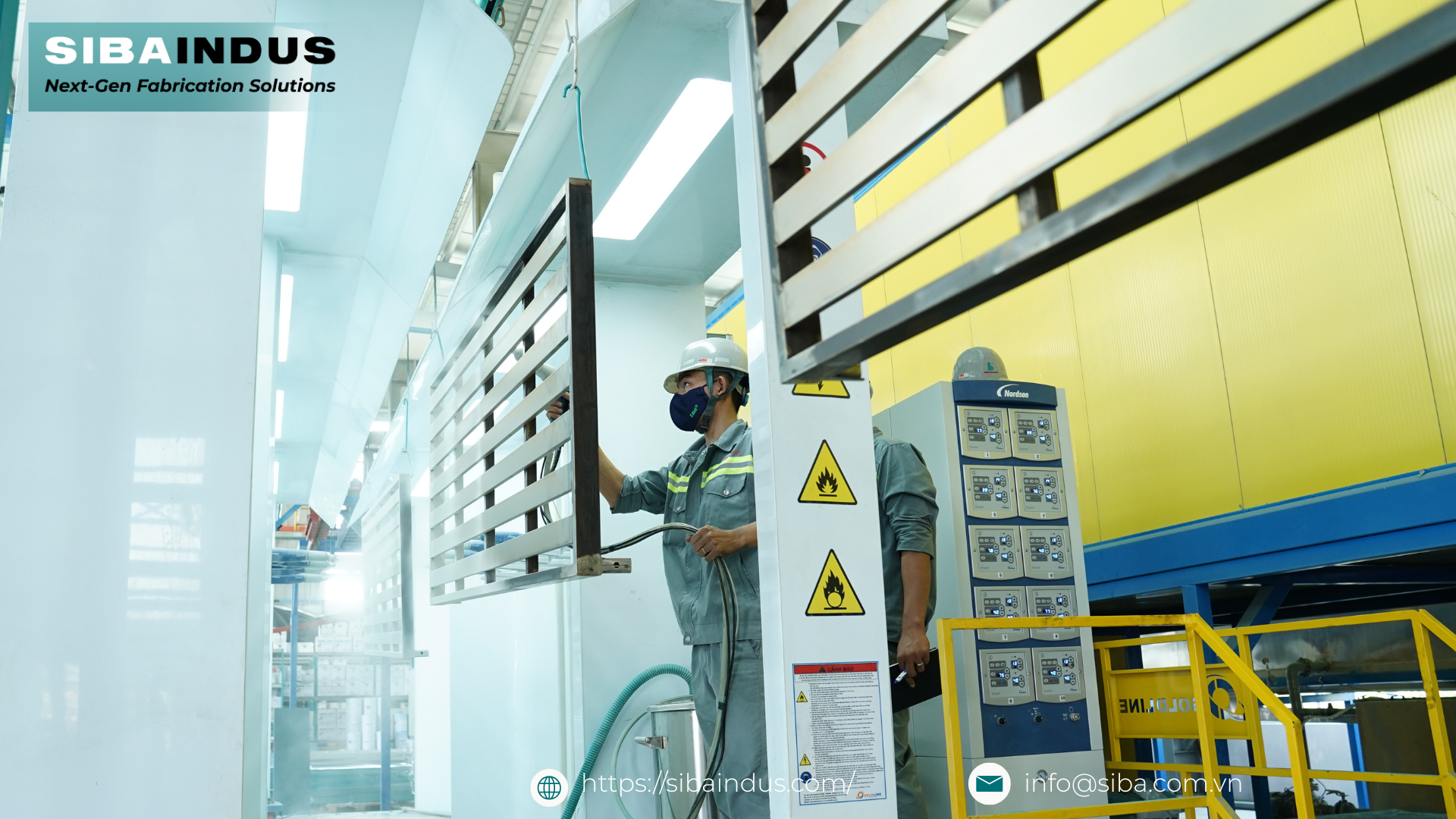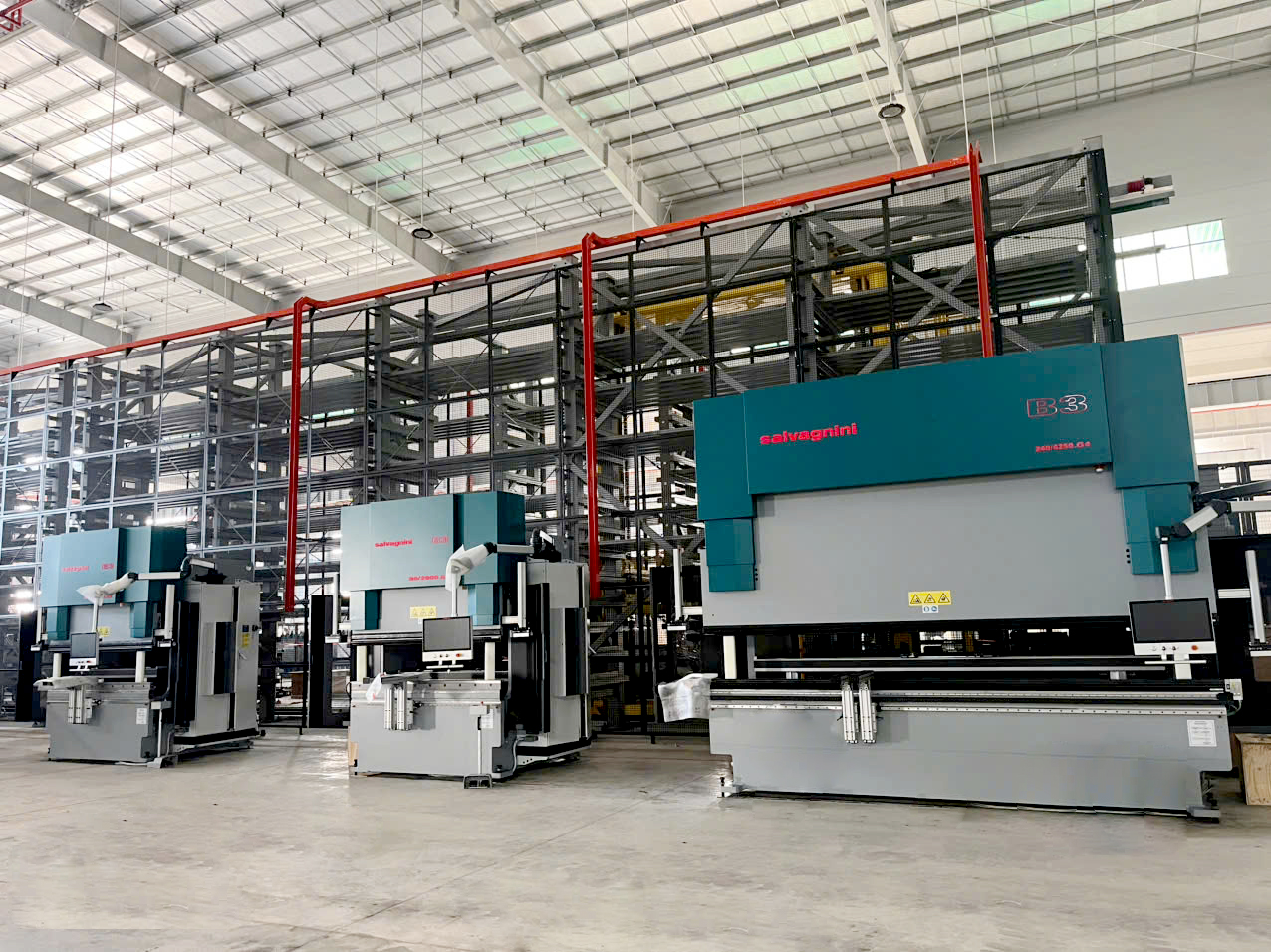


In modern manufacturing and industrial fabrication, welding is far more than a joining process. It is a critical factor that directly influences the strength, durability, safety, and long-term performance of the final product. From heavy industrial structures and precision sheet metal components to machinery systems and high-tech fabrication projects, welding quality determines whether a product performs reliably under real-world operating conditions.
At Siba Indus, welding is treated as a precision engineering discipline where advanced technology, skilled workmanship, and strict quality control work together to deliver consistent manufacturing excellence.
Why Welding Quality Matters in Manufacturing
Every welded joint becomes part of the structural integrity of a product. Poor welding quality can lead to serious consequences, including:
- Structural weakness
- Reduced load-bearing capacity
- Premature material failure
- Increased maintenance costs
- Safety risks during operation
- Lower product lifespan
Key Factors That Define Welding Quality
1. Material Compatibility
Different metals require different welding techniques and parameters. Improper material selection or incompatible filler materials can weaken joints and create internal stress.
Professional fabrication companies carefully evaluate:
- Base material properties
- Thickness tolerance
- Heat sensitivity
- Corrosion resistance requirements
This ensures the welded structure maintains optimal mechanical performance.
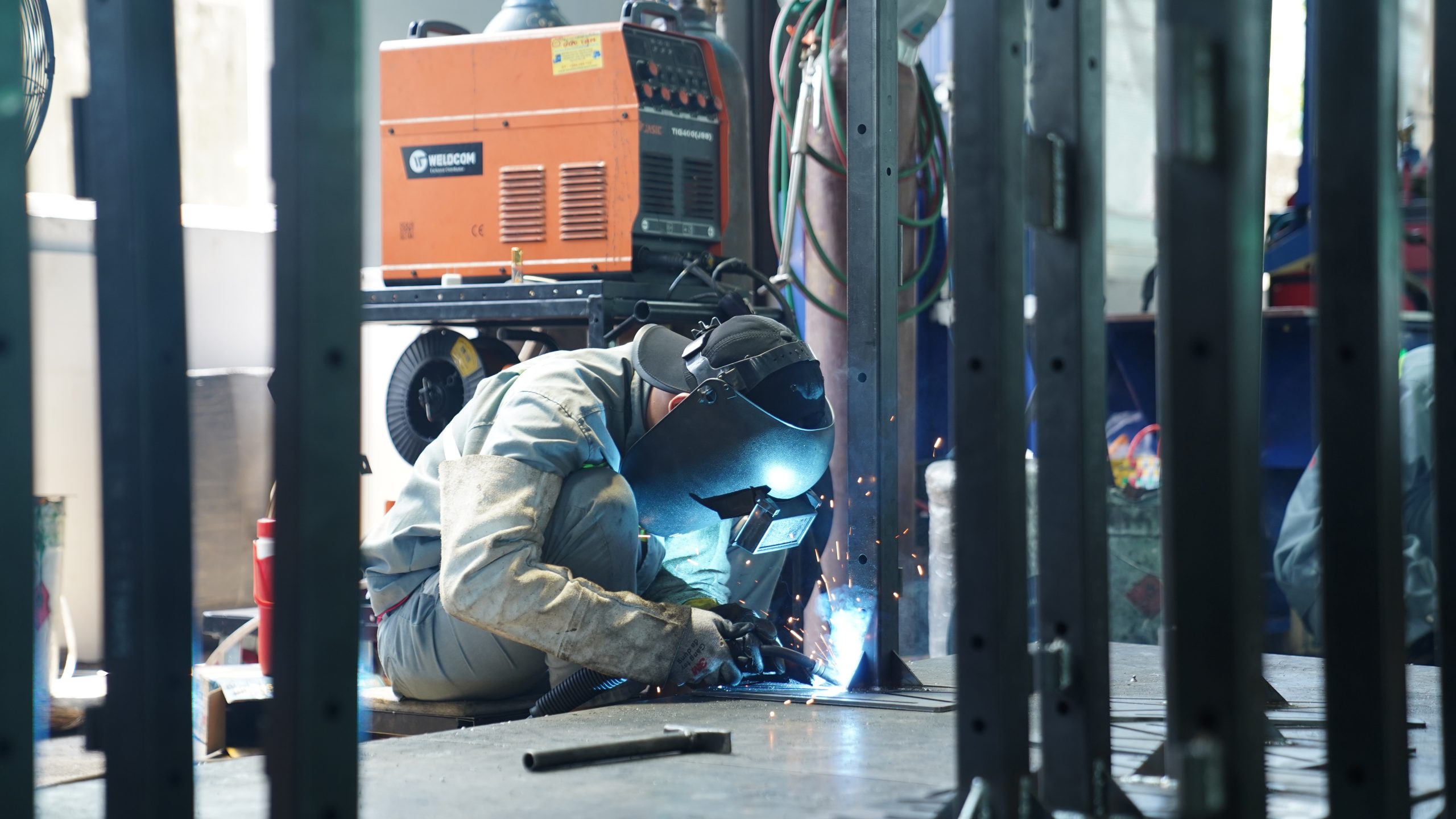
2. Precision and Dimensional Accuracy
Welding distortion can affect the alignment and dimensional accuracy of fabricated components. In precision manufacturing, even small deviations can create assembly issues and reduce operational efficiency.
Advanced welding processes combined with controlled fabrication methods help maintain:
- Accurate dimensions
- Consistent tolerances
- Smooth assembly integration
- Stable structural geometry
At Siba Indus, precision manufacturing systems are designed to minimize deformation while maintaining production consistency.
3. Weld Strength and Structural Integrity
A properly executed weld distributes stress evenly across the structure. Weak or inconsistent welds often become the first point of failure under heavy loads or long-term operation.
Factors affecting weld strength include:
- Heat input control
- Welding speed
- Joint preparation
- Penetration depth
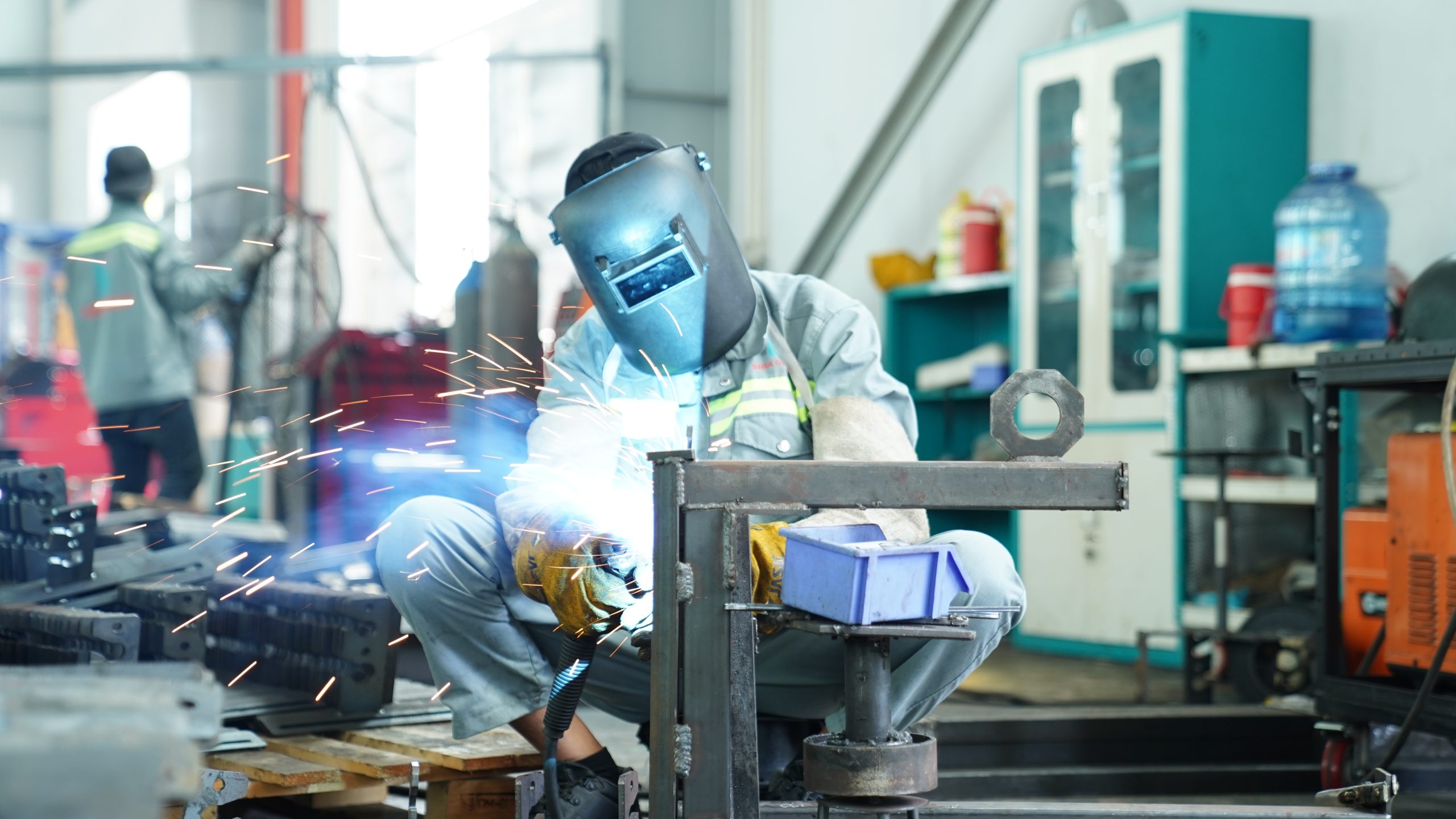
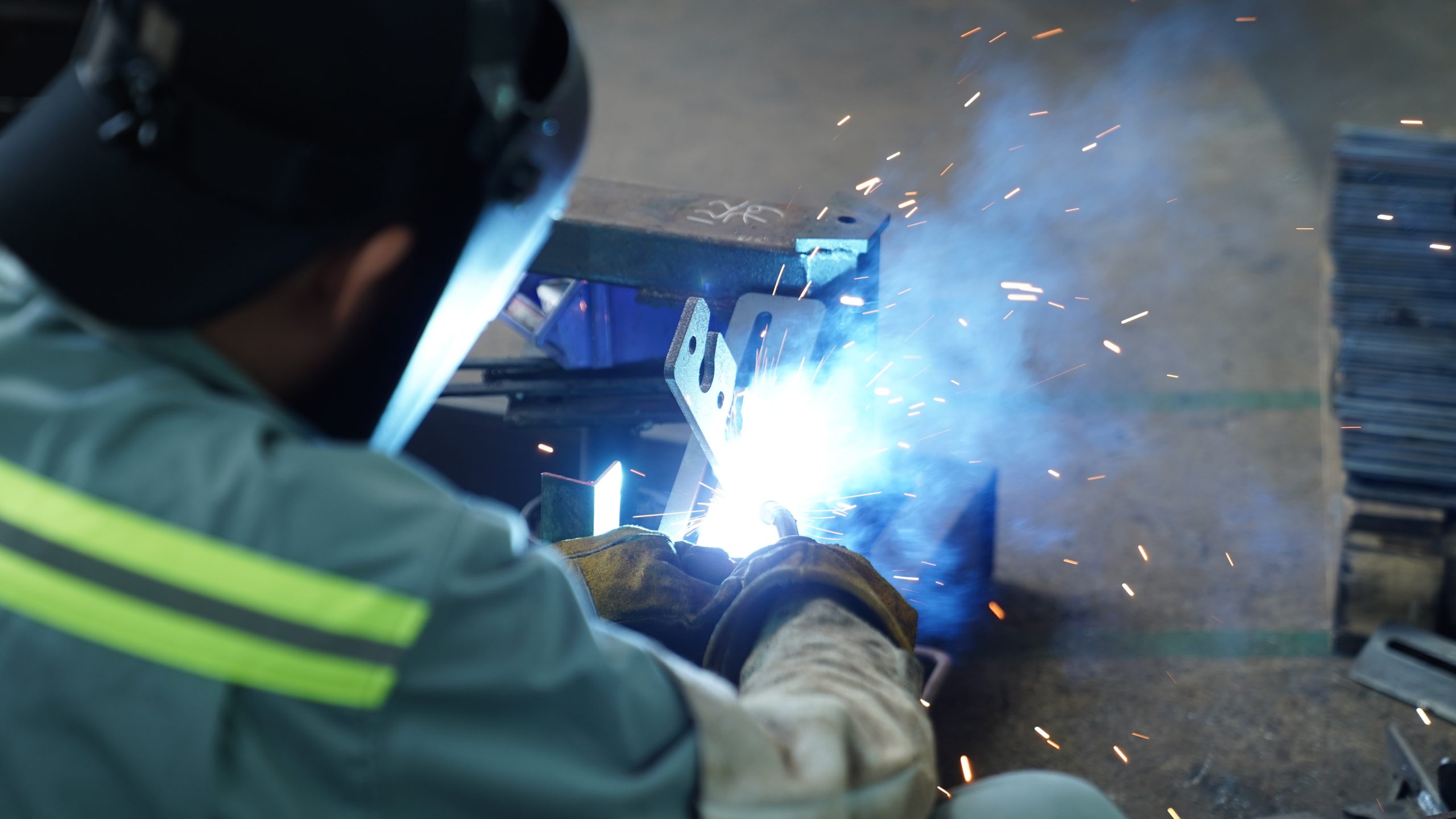
- Operator expertise
Strict welding procedures help ensure that every joint meets industrial performance standards and customer specifications.
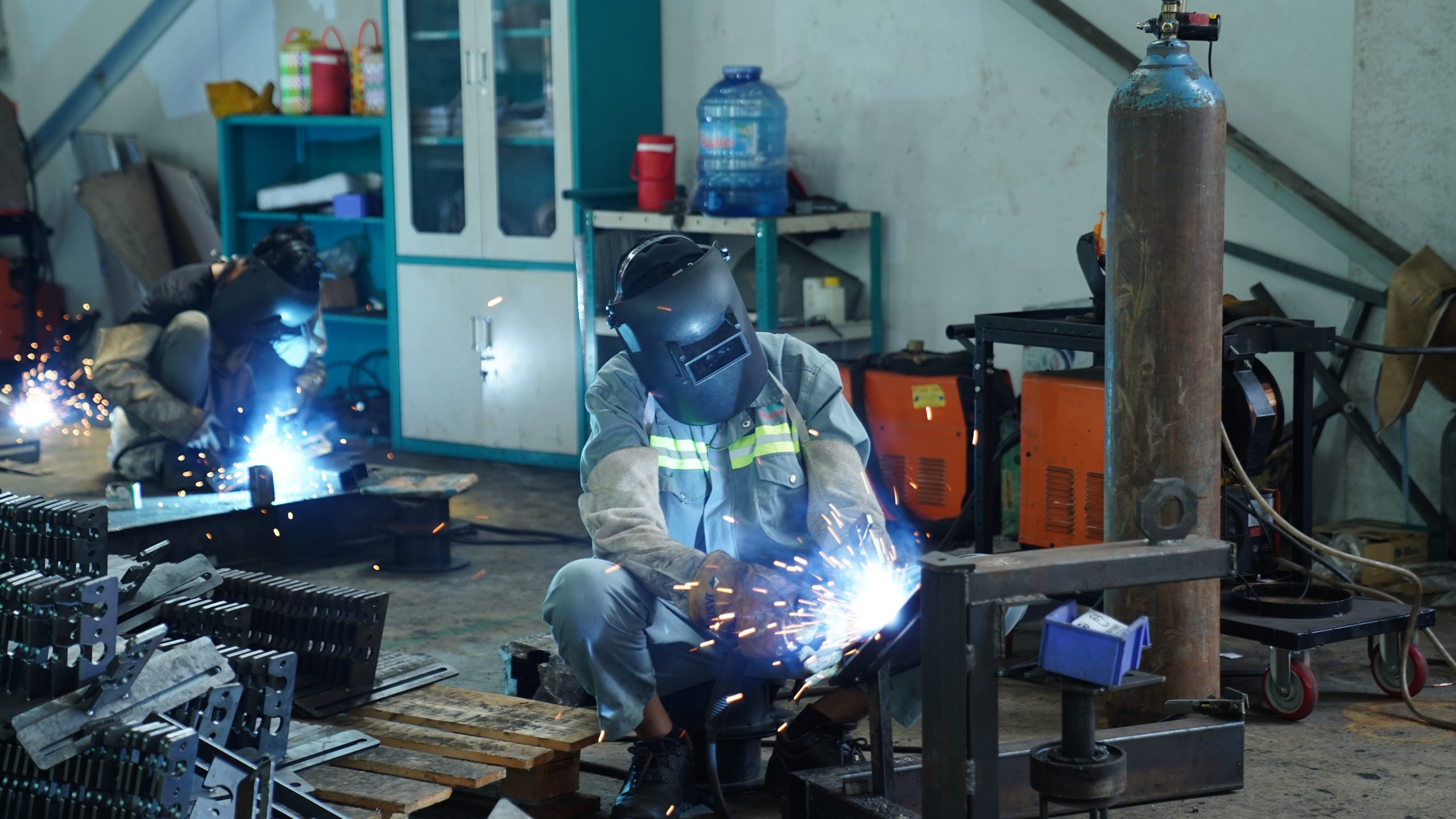
Advanced Welding Technologies Improve Performance
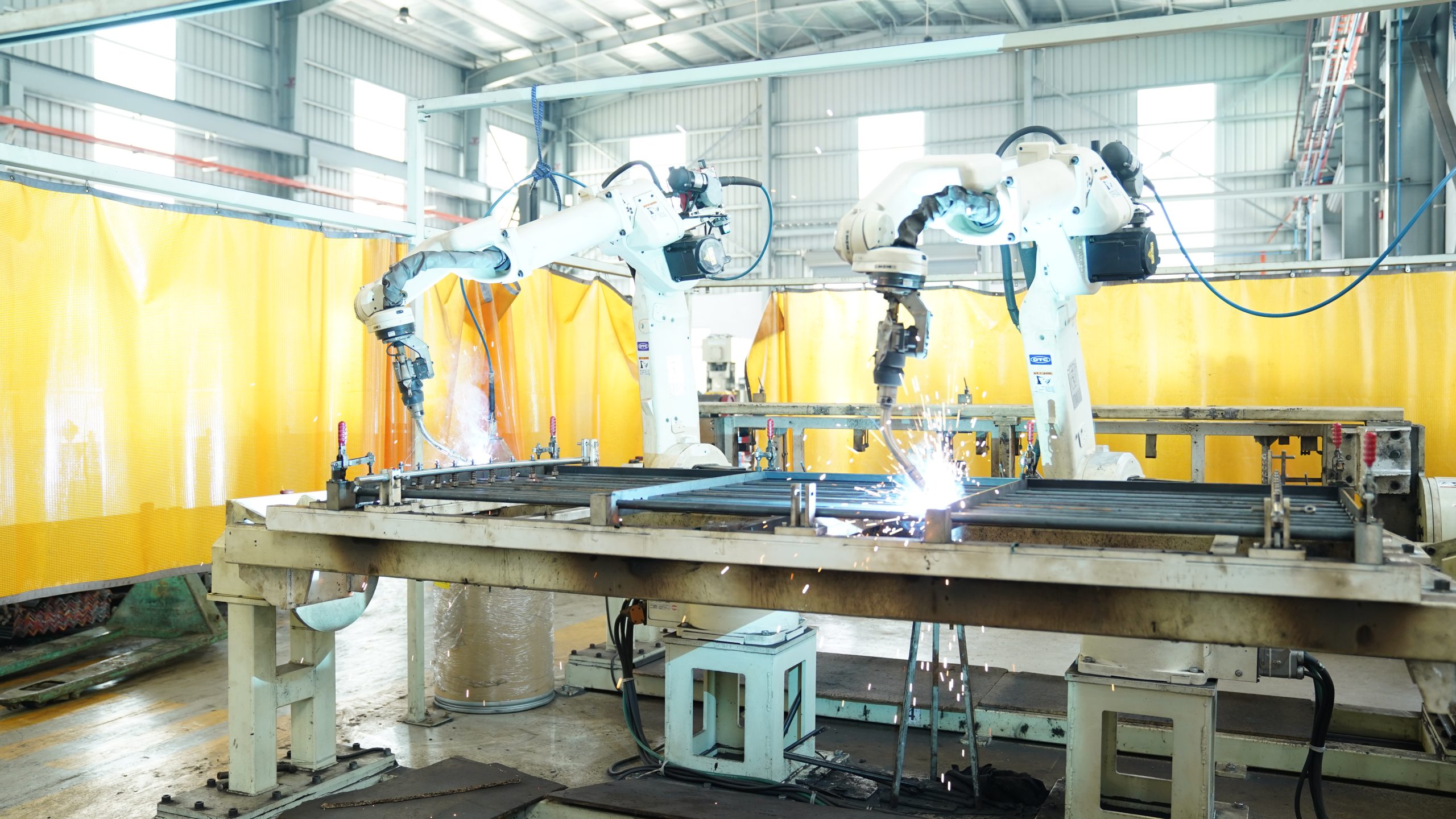
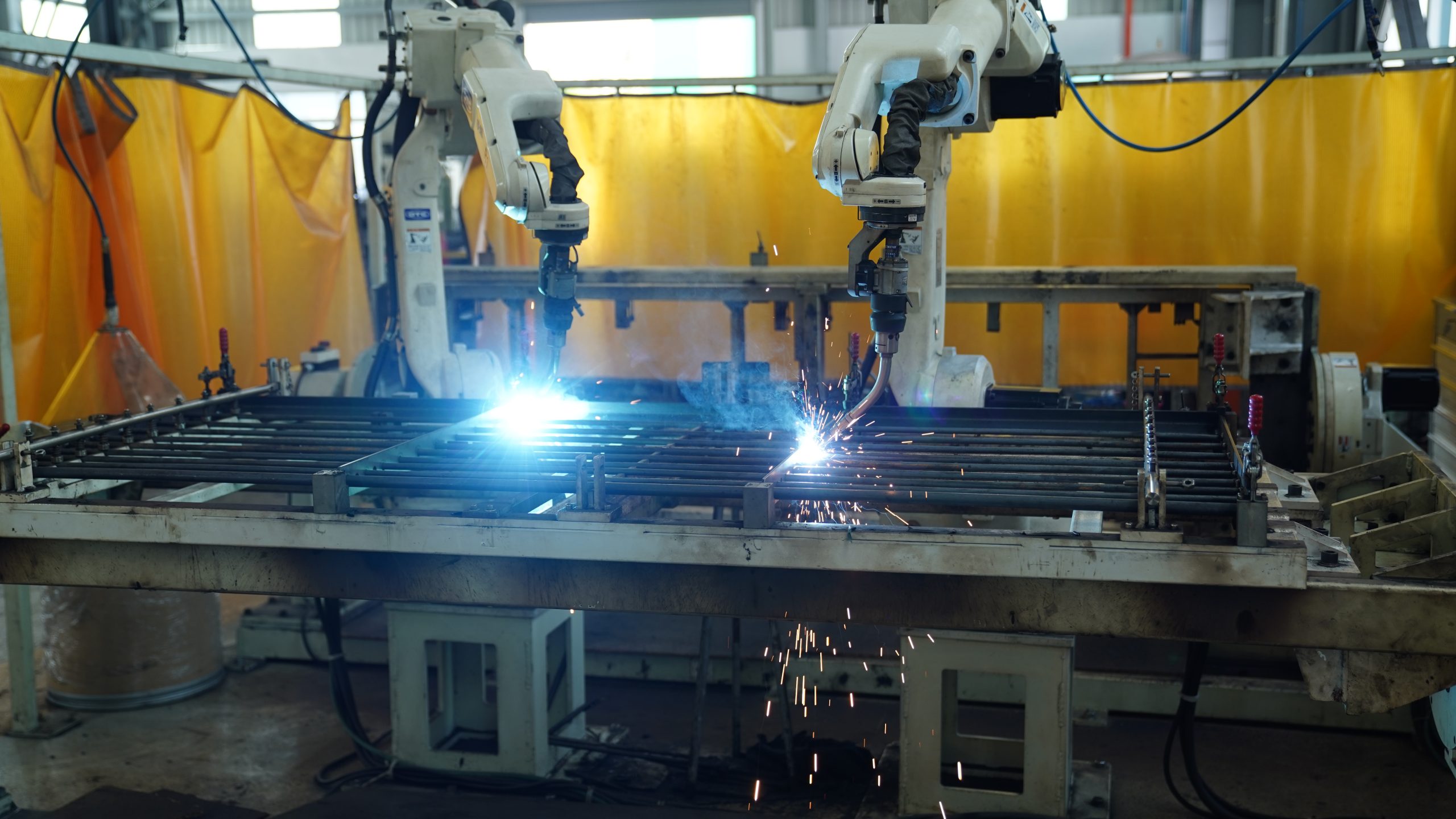
Modern fabrication facilities increasingly adopt advanced welding technologies to improve efficiency and consistency, including:
- Robotic welding systems
- CNC-integrated fabrication
- TIG and MIG precision welding
- Automated quality monitoring
- Non-destructive testing (NDT)
Automation helps reduce human error while maintaining repeatable weld quality for high-volume production.
At Siba Indus, continuous investment in smart manufacturing and advanced fabrication technologies enables the company to deliver reliable welding performance across diverse industrial applications.
Siba Indus Commitment to Welding Excellence
At Siba Indus, welding quality is integrated into every stage of the manufacturing process — from engineering design and material preparation to fabrication, inspection, and final assembly.
By combining:
- Advanced manufacturing technology
- Precision engineering
- Skilled fabrication expertise
- Strict quality management systems
Siba Indus delivers durable, high-performance industrial fabrication solutions that meet the demanding standards of modern industries.